
Cymbopogon excavatus
Cymbopogon excavatus
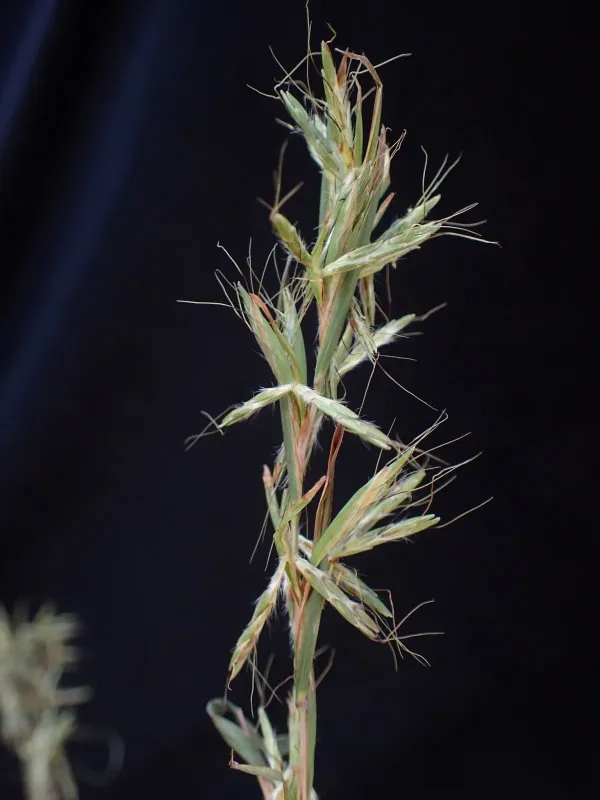
Description
Growing requirements
Cymbopogon excavatus is a perennial grass species belonging to the Poaceae family. It is recognized for its aromatic properties and is often studied alongside other members of the Cymbopogon genus for its high essential oil yield.
Native to African regions, this plant thrives in tropical and subtropical environments. It requires significant solar radiation to optimize the production of phytochemicals, making it a sun-loving crop suitable for warm regions.
The ideal soil conditions for this grass include well-drained, sandy-loam structures. It is essential to ensure that the site does not have water-logging issues, as this is detrimental to the plant's health and can lead to fungal infections.
Climate management is crucial for the cultivation of Cymbopogon excavatus. It prefers a steady temperature range, generally between 20°C and 30°C. In regions with colder climates, greenhouse conditions are necessary to maintain healthy growth cycles.
Agronomic practices focus on maintaining soil fertility and moisture balance. Regular irrigation is vital during the establishment phase, while established plants show moderate tolerance to brief dry spells, provided the root system remains stable.
Yield
The primary agricultural interest in this species lies in its specialized essential oils. These extracts serve various industries, including fragrance production, food flavoring, and botanical medicine development.
Main diseases and pests
Key threats include various leaf-spot pathogens that thrive in high humidity. Proper field sanitation and crop rotation are recommended management strategies to prevent pest outbreaks such as aphids and mites.