
Cylicodiscus gabunensis
Cylicodiscus gabunensis
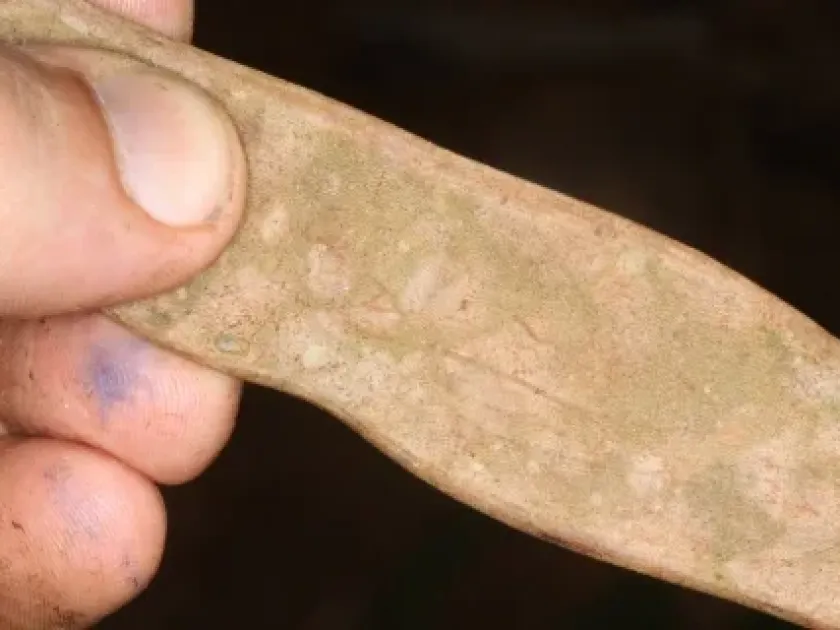
Description
Growing requirements
Cylicodiscus gabunensis is a giant tree species belonging to the Fabaceae family. It is widely recognized as one of the most prominent canopy trees in the wet tropical forests of West and Central Africa.
The tree thrives in regions with consistently high humidity and rainfall. It requires deep, well-drained, and nutrient-rich forest soils to support its massive stature, which can reach heights of up to 60 meters.
Botanically, the tree is characterized by a straight, massive trunk that can grow up to 3 meters in diameter. Juvenile plants are often protected by thorns, while mature trees exhibit significant buttresses at the base.
Environmental requirements include a stable tropical climate without distinct cold seasons. Sunlight management is crucial, as the species requires exposure to canopy gaps or cleared forest patches during its early stages.
Agronomic practices for this species are largely focused on reforestation and forest management. Because of its extremely slow growth, intensive cultivation is rarely viable, favoring protected natural forest regeneration.
Harvesting
The primary use of Cylicodiscus gabunensis is the production of extremely durable timber, often referred to as African ironwood. This wood is highly valued for its physical strength and natural resistance.
It is mainly utilized in heavy-duty construction applications. Examples include the construction of port facilities, railway sleepers, heavy bridge components, and industrial building frames that require long-term durability.
The wood is famously resistant to rot, fungal decay, and termite attacks, making it a preferred choice for marine construction and harsh outdoor environments where chemical treatment is undesirable.
Harvesting is subject to strict forestry regulations in its native habitat countries, such as Gabon and Cameroon. These policies aim to prevent over-exploitation and ensure the long-term survival of the species.
Due to the hardness of the wood, processing requires high-performance, hardened steel machinery. The material remains a significant commodity in international markets due to its longevity and reliability.