
Crimson berry
Cyathodes juniperina
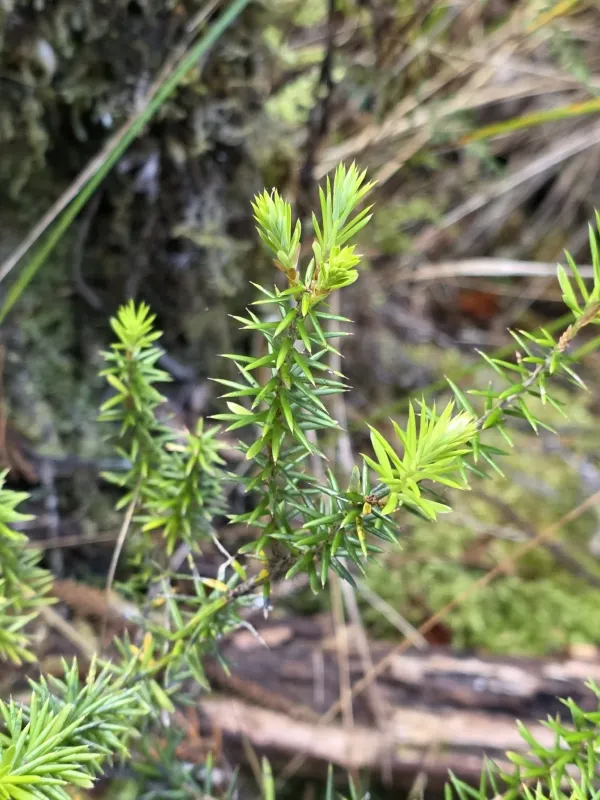
Description
Growing requirements
Cyathodes juniperina, commonly known as the crimson berry or prickly mingimingi, is an evergreen shrub belonging to the Ericaceae family. It is native to New Zealand, where it naturally inhabits mountainous landscapes, scrublands, and alpine environments.
The plant is distinguished by its dense, juniper-like foliage consisting of stiff, needle-pointed leaves. During its growth cycle, it produces small, delicate, white to greenish flowers, which eventually transform into bright, fleshy drupes, usually ranging from white to deep crimson or red colors.
Regarding soil requirements, this shrub thrives in well-draining, acidic, and nutrient-rich organic soils. It is highly intolerant of waterlogged conditions, making effective drainage systems or sandy soil amendments essential for its long-term survival in garden environments.
The climate preference for this species leans towards cool, temperate, and humid conditions. It performs poorly in regions with scorching summers or severe droughts. Providing a spot with dappled shade and protection from dry winds is crucial for maintaining the health and vigor of the plant.
In landscaping, it is utilized as a high-value ornamental plant. Its compact habit and attractive fruit display make it a perfect candidate for rock gardens, container planting, and decorative ground cover in regions where the microclimate mimics its native mountainous habitat.
Main diseases and pests
The most significant threat to the plant is root rot caused by Phytophthora species, often triggered by excessive moisture or poor air circulation. Avoiding overwatering and ensuring a porous soil structure are the primary preventative measures against these pathogens.
Insect pests such as spider mites or scale insects can occasionally infest the foliage, particularly if the plant is grown indoors or in low-humidity environments. Maintaining proper ambient humidity and regular inspection of the leaves will effectively prevent widespread damage to the shrub.