
Cyathodes colensoi
Cyathodes colensoi
Description
Growing requirements
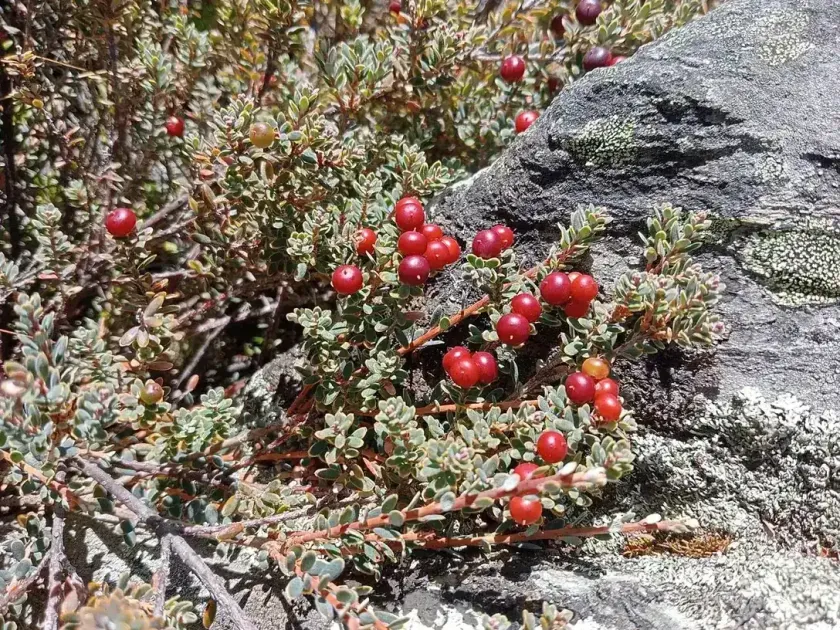
Cyathodes colensoi is a distinct, low-growing evergreen shrub belonging to the Ericaceae family. Native to the subalpine regions of New Zealand, this plant is well-adapted to rocky environments and cold climates.
The botanical structure of this species is characterized by small, needle-like leaves and attractive berries, making it a point of interest for rock gardens and specialized alpine collections.
To cultivate this species successfully, one must provide a soil medium that is acidic (pH 4.5–5.5) and exceptionally well-draining. The plant cannot tolerate heavy clay soils or waterlogged conditions, which lead to immediate root decay.
Environmental requirements include a location with bright, diffused light. In regions with harsh summers, protection from intense midday heat is vital to prevent leaf scorch and ensure the longevity of the root system.
Maintenance should involve annual mulching with pine needles or bark chips to stabilize soil acidity and temperature. Minimal fertilization is recommended, as the plant is adapted to nutrient-poor volcanic or rocky substrates.
Main diseases and pests
The most significant threats to Cyathodes colensoi are fungal pathogens, particularly root rot organisms that thrive in environments with poor air circulation and excessive soil moisture.
Pests are generally not a major issue in open garden settings. However, in enclosed greenhouse environments, mealybugs or spider mites may occasionally infest the dense foliage.
Symptoms of distress usually manifest as a change in leaf color or premature leaf drop. These signs should be interpreted primarily as a failure of soil drainage or an incorrect pH level rather than pest activity.
To manage potential threats, gardeners should prioritize cultural controls such as spacing plants to encourage airflow and using grit in the planting hole to prevent water accumulation.
If chemical interventions are necessary, fungicides should be chosen based on their safety for Ericaceous plants, as these species are sensitive to high salt concentrations often found in standard fertilizers and pesticides.