
Cyanopsis muricata
Cyanopsis muricata
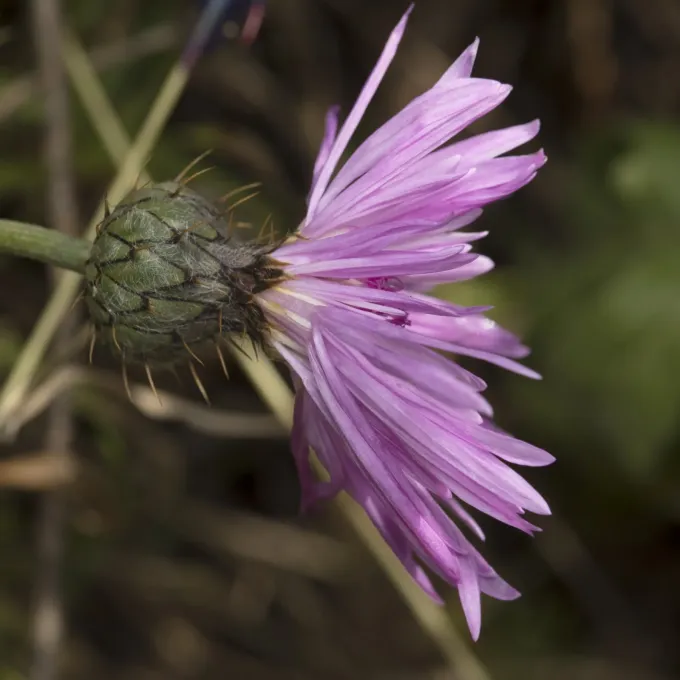
Description
Sowing dates
Cyanopsis muricata is a warm-season annual crop that requires soil temperatures between 15°C and 20°C for optimal germination.
Planting should be scheduled for the stable spring period to avoid any risk of late-season frost, which can severely damage young seedlings.
Seeds are typically sown at a depth of 3 to 5 centimeters, depending on the soil moisture profile and the texture of the seedbed.
Maintaining proper plant spacing is essential to ensure that each individual plant has sufficient resources for root development.
The standard seeding rate is approximately 15–25 kg per hectare, depending on the specific agricultural goal, such as forage or grain production.
Growing requirements
As a member of the Fabaceae family, this species is noted for its exceptional drought tolerance, making it suitable for arid agricultural zones.
It thrives in light, well-drained sandy or sandy-loam soils while maintaining growth even in poorer soil conditions where other crops fail.
High levels of solar radiation are required for the plant to reach maturity and produce high-quality yields of beans.
Fertilization with phosphorus and potassium is highly recommended to support the growth of a robust and deep taproot system.
The plant requires neutral to slightly alkaline soil pH and dislikes waterlogged environments, making proper drainage a top priority.
Yield
The yield potential of Cyanopsis muricata is largely determined by environmental conditions and the strict adherence to cultivation schedules.
Under favorable conditions, this crop provides a significant amount of biomass that can be used effectively for green manure or silage.
Maximizing grain yield requires careful monitoring of the crop density to prevent excessive competition for nutrients and moisture.
Using high-quality, certified seeds is one of the most effective strategies for ensuring consistent production results in diverse climates.
The economic viability of the crop is often improved by its ability to perform well in marginal lands where inputs are kept to a minimum.
Main diseases and pests
Young plants are susceptible to various soil-borne pests, which can significantly reduce plant populations shortly after emergence.
Fungal pathogens such as powdery mildew may develop during periods of high humidity, particularly if plant spacing is too dense.
A well-planned crop rotation is crucial to disrupt the life cycles of common legume pests and soil-borne pathogens.
Weed management during the first few weeks of growth is critical, as the plant is slow to establish early vegetative cover.
Scouting programs are recommended to identify early signs of insect infestation or disease, allowing for timely intervention with control measures.
Harvesting
Harvesting should occur when the pods reach full maturity and turn a characteristic brownish color, indicating maximum dry matter content.
Producers must be vigilant to harvest at the right time, as delayed harvesting leads to pod shattering and significant grain loss.
Modern harvesting equipment, such as combines, should be calibrated specifically for legumes to reduce seed impact damage.
Post-harvest processing involves thorough cleaning and drying of the seeds to ensure safe storage humidity levels and prevent fungal spoilage.
Crop residues left after harvest are rich in organic matter and nitrogen, providing an excellent soil amendment for the next rotation cycle.