
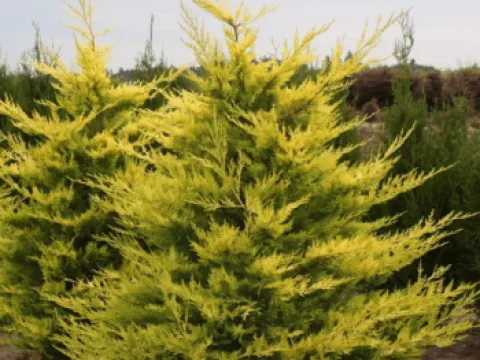
Cuprocyparis
Cuprocyparis
Cuprocyparis is a well-known intergeneric hybrid that belongs to the Cupressaceae family. It is highly valued in agriculture and landscaping for its remarkably fast growth rate, making it an excellent candidate for creating tall, dense, and permanent screens.
What the section contains


Cuprocyparis
The cultural requirements for optimal development include a mild climate with sufficient moisture. While the plant is quite versatile, it thrives best in sunny positions, protected from harsh, desiccating winds that can damage its foliage during the winter season.
Regarding soil preference, Cuprocyparis grows most vigorously in deep, fertile, and well-drained loamy soils. It is crucial to avoid heavy, waterlogged ground, as the root system is sensitive to poor aeration and standing water, which can trigger severe physiological issues.
Agrotechnical maintenance focuses primarily on watering during the establishment phase and regular pruning. Because the plants grow rapidly, yearly shearing is necessary to keep the hedges dense and to prevent them from outgrowing their designated landscape space.
In terms of usage, this plant is primarily cultivated for ornamental hedging, screening, and windbreak purposes. Its evergreen nature ensures year-round utility, while its ability to withstand pruning allows for various structural and decorative landscape designs.
Pathological threats to Cuprocyparis primarily include fungal infections such as Seiridium canker and Phytophthora root rot. These diseases are often facilitated by high humidity, poor air circulation, or mechanical damage that provides an entry point for pathogens.
Pest pressures are typically characterized by aphid and spider mite infestations. These pests thrive in dry conditions and can cause significant foliage discoloration and thinning if the trees are not monitored and treated during the early stages of the outbreak.
Management of these threats involves the application of appropriate fungicidal or insecticidal treatments. For severe fungal cases, pruning out and disposing of infected branches is a mandatory step to prevent the spread of spores to healthy portions of the plant.
Maintaining a healthy environment is the best preventive strategy. This includes providing adequate spacing during planting to ensure proper airflow and avoiding over-fertilization, which can produce weak, succulent growth more susceptible to pest attack.
Integrated pest management, including regular inspection and maintaining good soil health, significantly reduces the likelihood of severe outbreaks. Ensuring the plant is not stressed by drought or nutrient deficiencies also plays a key role in natural disease resistance.