
Cuprocyparis ovensii
Cuprocyparis ovensii
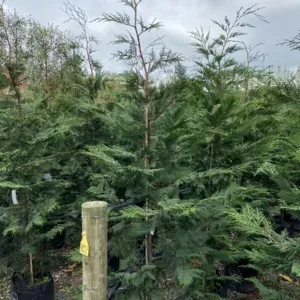
Description
Growing requirements
Cuprocyparis ovensii is a hybrid coniferous tree belonging to the Cupressaceae family. Known for its rapid growth rate and dense, elegant foliage, it has become a preferred choice for residential and commercial landscaping as a screening plant.
The tree thrives in well-drained, fertile soils with a slightly acidic to neutral pH level. It is essential to ensure that the planting site does not suffer from waterlogging, as the root system of this species is highly susceptible to root rot if soil moisture remains excessive.
Optimal environmental conditions include a location with full sun to partial shade. While it shows good adaptability, protecting the tree from drying winds is recommended, especially in the early stages of its development, to preserve the vitality of the needle-like leaves.
Standard agronomic practices for this species include consistent watering during dry spells and the application of balanced slow-release fertilizers in the early spring. Regular pruning is necessary if the tree is being used for hedging, as this helps to maintain the desired shape and density.
Cultivation and usage are focused on aesthetic and functional purposes. Cuprocyparis ovensii is frequently utilized to create tall, evergreen hedges that serve as effective noise barriers and visual screens, providing year-round privacy in garden settings.
Main diseases and pests
The most common disease affecting this species is root rot caused by various soil-borne fungi. This condition is often exacerbated by poor soil drainage and irrigation practices that keep the substrate saturated for extended periods.
Pest pressure is primarily driven by spider mites and scale insects. These pests can cause significant damage to the needles, resulting in discoloration and reduced photosynthetic capacity of the plant if left unchecked.
Regular monitoring of the foliage is critical for early detection. If an infestation is identified, systemic insecticides or horticultural oils may be used to manage the population, provided that the application follows the safety guidelines for coniferous plants.
Cultural control, such as ensuring adequate spacing between plants to allow for airflow, is essential to reduce the humidity around the foliage. Good ventilation is one of the best preventative measures against fungal pathogens like rust or blights.
Sanitation practices involve the prompt removal and disposal of any dead or heavily infected branches. Maintaining the overall vigor of the tree through correct watering and nutrient management remains the most effective defense against various environmental stresses.