
Cryptothallus mirabilis
Cryptothallus mirabilis
Description
Growing requirements
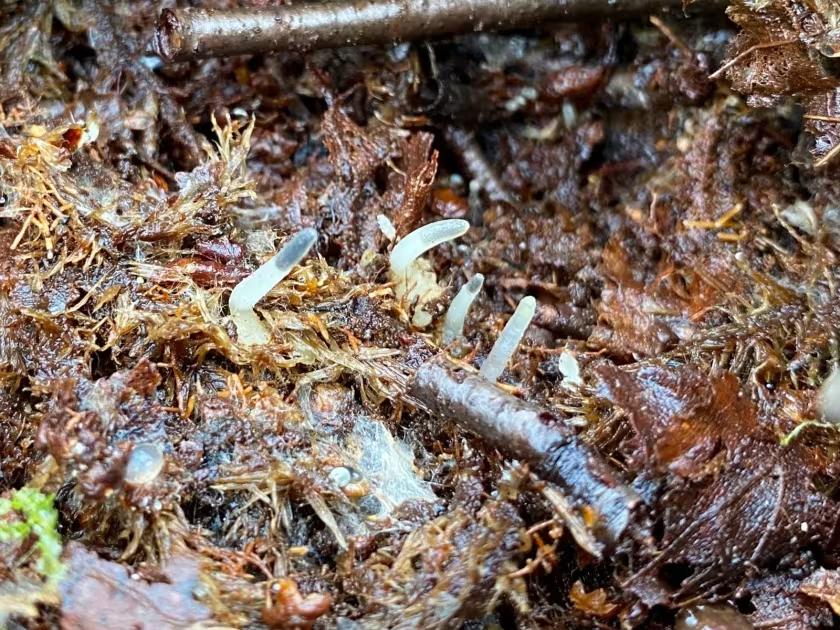
Cryptothallus mirabilis is a remarkable species of liverwort belonging to the Aneuraceae family. It is distinct among bryophytes because it lacks chlorophyll and relies entirely on a symbiotic relationship with fungi for carbon.
This species is found primarily in temperate forest ecosystems where it lives completely underground. Its translucent, whitish thallus is hidden beneath layers of moss, humus, or leaf litter, making it difficult to detect during surveys.
The plant thrives in moist, acidic forest soils. It is highly specific in its environmental requirements, needing a continuous presence of mycorrhizal fungi from the genus Tulasnella to sustain its life processes.
Climate requirements include stable, high humidity and cool temperatures. Exposure to direct sunlight or dry air causes rapid desiccation of the thallus, which lacks the protective structures found in surface-dwelling plants.
Agricultural cultivation of this organism is not feasible, as it depends on complex subterranean ecological networks. It remains a subject of intense scientific interest for biologists studying plant-fungal evolution.
Main diseases and pests
The primary threat to the survival of Cryptothallus mirabilis is the disturbance of its natural forest habitat. Soil compaction and the removal of canopy trees disrupt the symbiotic fungi upon which the plant relies.
Changes in local hydrology, such as drainage or prolonged drought, are highly detrimental to the species. Maintaining a constant moisture level in the substrate is essential for the preservation of its populations.
Pollution from agricultural runoff or industrial waste can alter soil chemistry and damage the delicate mycelial networks in the soil, effectively starving the plants of their carbon source.
Habitat fragmentation and the encroachment of urban or agricultural land lead to a reduction in the forest's ability to maintain the necessary environmental stability for this sensitive liverwort.
Pathogenic organisms that target host fungi can also indirectly threaten the survival of the liverwort, as any decline in the vigor of the fungus results in a direct loss of resources for the plant.