
Croton sonderianus
Croton sonderianus
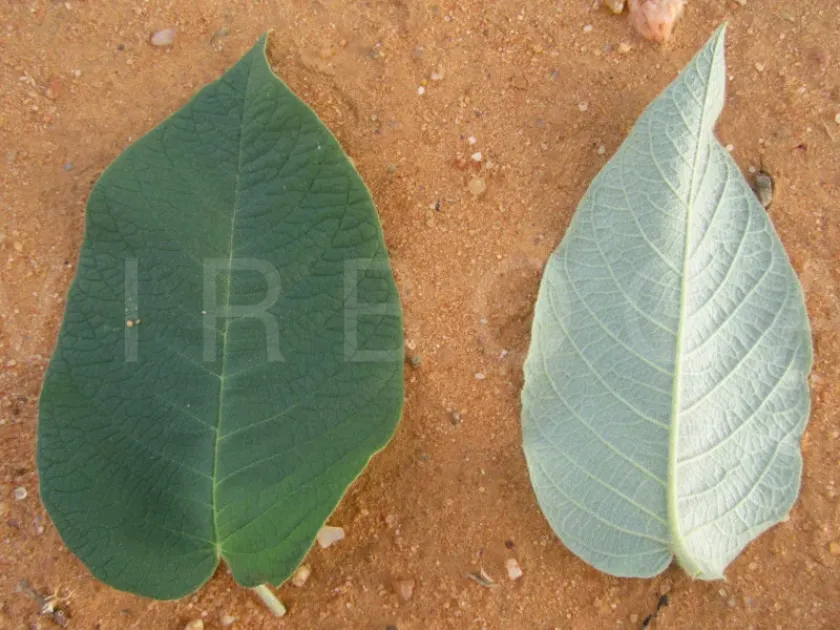
Description
Growing requirements
Croton sonderianus is a woody shrub belonging to the Euphorbiaceae family, native to the semi-arid regions of Brazil, specifically the Caatinga biome. It is highly valued for its natural adaptation to water-scarce environments.
This plant thrives in high-temperature conditions and requires full sun exposure for healthy development. It typically grows in shallow, stony, or sandy soils with poor nutrient availability, where it acts as a stabilizing element.
Botanically, it features a complex root system designed to extract deep moisture, combined with the ability to shed leaves rapidly when rainfall is insufficient to prevent dehydration of the stems.
For agricultural management, the plant does not require high levels of soil modification or synthetic fertilizers. Its primary agronomic role is in restoring degraded landscapes and acting as a sustainable source of biomass in arid regions.
Farmers and researchers often focus on the chemical composition of the plant, as it produces specific resins and oils that have been historically utilized for their medicinal and industrial properties.
Main diseases and pests
The primary threat to Croton sonderianus is intensive livestock grazing, which destroys young seedlings and prevents the natural regeneration of the species in natural scrublands.
Insects such as leaf-eating beetles and wood-boring pests can cause significant structural damage to the stems and branches during peak growing seasons following the rainy cycle.
Root rot caused by fungal pathogens is a localized concern during abnormally wet winters or in areas with poor drainage, which can lead to rapid decay of the plant vascular system.
Deforestation and land clearing for large-scale monoculture farming represent the most critical existential threat to the wild populations of this species in its native range.
Management strategies must include controlled grazing practices and protected areas to ensure that the species continues to provide its essential ecological services in the local environment.