
Croton gratissimus
Croton gratissimus
Description
Growing requirements
Croton gratissimus, commonly known as the lavender tree, is a distinctive evergreen tree or shrub belonging to the Euphorbiaceae family. It is native to the warmer regions of Southern and Eastern Africa, where it thrives in diverse habitats including woodland and rocky hillsides.
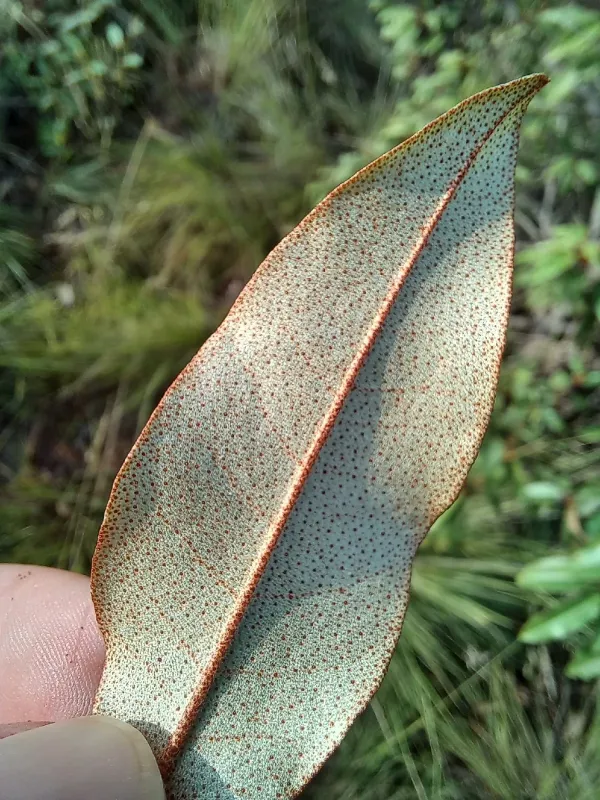
The botanical structure of this species is notable for its silver-green foliage. The underside of the leaves is covered in dense, silvery scales, which creates a shimmering appearance when moved by the wind, justifying its common name.
In terms of cultivation, Croton gratissimus is remarkably drought-tolerant. It requires well-draining soil, ideally sandy or stony, to prevent root rot. It is not suitable for heavy clay soils that retain moisture for prolonged periods.
The species requires full sun exposure to maintain its compact growth habit and foliage coloration. It is well-adapted to high temperatures and intense sunlight, making it an excellent candidate for xeriscaping in arid and semi-arid regions.
Propagation is typically done through seeds, which should be sown in a warm environment. Young plants require moderate care until established, after which they become highly resistant to environmental stressors and require minimal irrigation.
Main diseases and pests
While generally hardy, the plant can be susceptible to typical nursery pests if grown in suboptimal conditions. Potential threats include scale insects and mealybugs, which may colonize the stems and leaf undersides, weakening the tree.
Fungal diseases can occur if the humidity is too high or if drainage is insufficient. Root rot is the most common pathology, usually caused by overwatering or poor soil quality. Maintaining air circulation is essential for health.
In agricultural settings, the plant is relatively pest-resistant due to the presence of secondary metabolites. These compounds act as a natural defense mechanism against herbivores and certain insects, reducing the need for chemical intervention.
Environmental factors, such as sudden frost, pose the biggest threat to this species. Exposure to temperatures below freezing can lead to severe dieback, requiring protective measures in marginal cultivation zones.
Monitoring for signs of leaf spot or discoloration is recommended to detect any pathogenic issues at an early stage. Proper hygiene in the orchard or garden space helps to mitigate the spread of potential pathogens.