
Croton dichogamus
Croton dichogamus
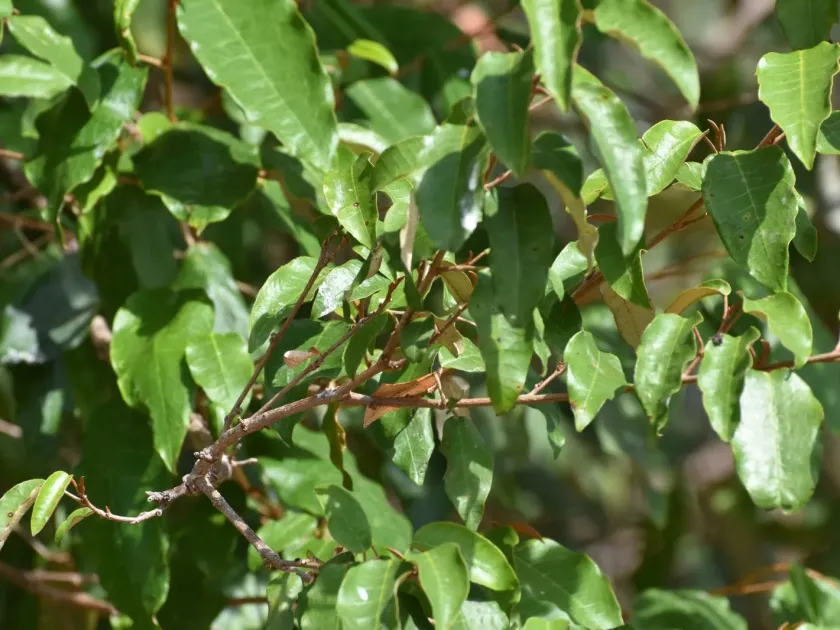
Description
Growing requirements
Croton dichogamus is a perennial shrub belonging to the Euphorbiaceae family. Native to the arid and semi-arid regions of East Africa, this plant has evolved to thrive in challenging environmental conditions, particularly in scrublands and savannah-like landscapes.
The cultivation of this crop requires well-drained soil types, such as sandy loams, as the species is highly susceptible to root rot if water stagnation occurs. Proper drainage is the single most important factor for successful establishment of the crop in the field.
Regarding climatic requirements, the plant is remarkably drought-tolerant, making it an excellent candidate for regions with scarce water resources. It flourishes in full sun, which is essential for stimulating the production of metabolites within the leaves and stems.
Agricultural management includes deep soil preparation to facilitate root growth and regular weeding during the early stages of development. As the shrub matures, it requires less intervention, though periodic pruning helps maintain its structure and vigor.
The economic and agricultural utility of Croton dichogamus is rooted in its traditional medical applications. Modern research explores its phytochemical potential, suggesting it could become a significant source of raw materials for the pharmaceutical industry.
Main diseases and pests
The primary threat to this crop involves fungal infections, particularly those affecting the root and collar zones. These pathogens often emerge when agricultural practices fail to maintain adequate soil aeration and drainage, leading to systemic decay.
Pests such as spider mites and aphids represent significant threats, especially during hot and dry seasons. These insects feed on the sap of young shoots, causing leaf yellowing and stunted growth that reduces overall crop productivity.
Effective management strategies require regular field scouting to identify pest outbreaks early. Implementing biological control methods is encouraged, as these reduce the chemical burden on the soil and maintain the purity of the medicinal product.
Sanitation is a critical component of crop protection; removing infected plant parts prevents the spread of pathogens throughout the plantation. Maintaining proper spacing between shrubs also improves airflow, reducing the humidity levels that favor fungal growth.
Overall plant health is best maintained by balanced fertilization and minimizing mechanical stress during cultivation. A robust plant is naturally more resistant to minor pest pressures and can recover faster from environmental shocks.