
Croton ciliatoglandulifer
Croton ciliatoglandulifer
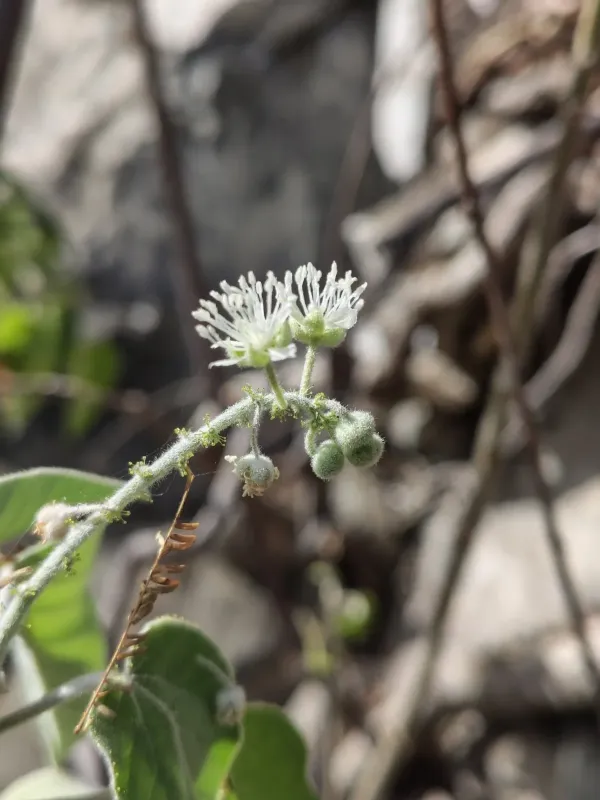
Description
Growing requirements
Croton ciliatoglandulifer is a member of the Euphorbiaceae family, recognized for its specific botanical characteristics, including glandular hairs that give it a unique appearance. It is native to tropical environments, primarily in parts of Central and South America.
This species thrives in well-drained, fertile soil. It requires a balanced environment where soil aeration is prioritized, as stagnant water can lead to rapid deterioration of its root system. The plant is adapted to tropical conditions with high light intensity throughout the year.
Temperature requirements are stringent; the plant grows best in a climate where temperatures consistently range between 22 and 30 degrees Celsius. It is highly intolerant of cold, and frost exposure will cause permanent damage or death to the plant tissue.
Cultivation practices involve site selection with full sun exposure to maximize photosynthetic efficiency. Moisture management should be precise, ensuring the root zone remains consistently moist but never waterlogged to avoid root rot issues.
Regarding its utility, the species is primarily of interest in botanical and phytochemical research. Similar to other members of the genus, it contains complex organic compounds that may have future applications in industrial chemistry or pharmacology.
Main diseases and pests
Common pests affecting Croton ciliatoglandulifer include spider mites, which thrive in hot and dry conditions and can cause severe damage to the foliage by depleting cellular contents. Regular monitoring is essential to prevent infestations from reaching economic threshold levels.
Fungal pathogens represent a significant threat to the crop, particularly root rot, which usually stems from poor drainage or excessive soil moisture. These diseases can quickly decimate a healthy population if not addressed through proper drainage techniques.
Leaf spot diseases are also prevalent under conditions of high humidity and poor air circulation. These infections weaken the plant by reducing the leaf surface area available for photosynthesis, leading to reduced overall vigor and biomass production.
Scale insects are another category of pests that can attach to stems and leaves. They weaken the plant by feeding on sap and excreting honeydew, which often attracts secondary pests and encourages the growth of sooty mold.
Effective management strategies should focus on integrated pest management (IPM) practices, including cultural control methods, biological deterrents, and the selective use of pesticides to ensure the long-term health of the plantation.