
Crotalaria verrucosa
Crotalaria verrucosa
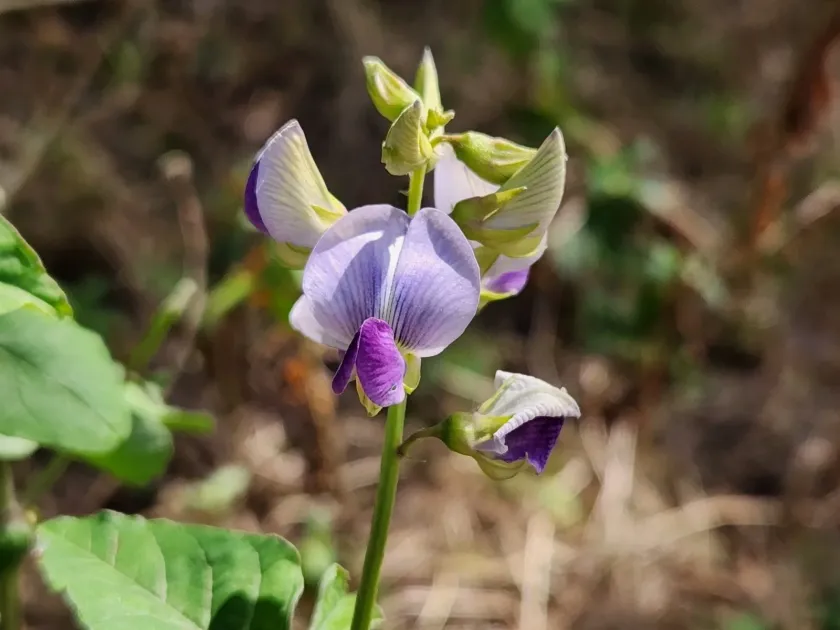
Description
Sowing dates
Crotalaria verrucosa is a warm-season crop that requires stable, warm temperatures to germinate successfully. Planting should occur after the danger of frost has passed and the soil has reached a sufficient temperature for rapid growth.
Seeds are typically drilled in rows, allowing for proper spacing and subsequent mechanical maintenance if necessary. Ensuring good seed-to-soil contact is essential for uniform emergence, especially in drier environments.
The optimal seeding depth is generally between 2 and 3 centimeters. Planting too deeply can significantly reduce germination energy, leading to patchy stands that cannot effectively compete with weeds during the early establishment phase.
Seeding rates should be adjusted based on the specific end goal, whether the crop is intended for green manure or soil conservation. Achieving the right density is critical for maximizing biomass production and suppressing weeds.
Quick early growth is a hallmark of this species, allowing it to shade the ground efficiently. By establishing a dense canopy early, the crop minimizes the need for supplemental weed control measures later in the season.
Growing requirements
As a member of the Fabaceae family, Crotalaria verrucosa is renowned for its nitrogen-fixing capabilities. It thrives in tropical and subtropical climates where it can fully utilize long growing seasons and high solar radiation.
This crop prefers well-drained soils, as it is sensitive to waterlogging. Excessive moisture can lead to root rot and impair the plant's symbiotic relationship with nitrogen-fixing bacteria, reducing its overall agronomic value.
Crotalaria verrucosa is highly adaptable to various soil types but performs best in neutral to slightly acidic conditions. It is frequently used in crop rotation to rejuvenate soil structure and increase organic matter content.
Abundant sunlight is necessary for optimal development. The plant is not suited for shaded locations, as low light intensity will result in reduced biomass accumulation and delayed maturity of the vegetation.
Its deep taproot system allows it to reach moisture deep within the soil profile, providing a level of drought tolerance once established. This feature makes it a valuable asset for maintaining ground cover in challenging environments.
Main diseases and pests
The primary threats to Crotalaria verrucosa include fungal pathogens that proliferate under high humidity. Conditions such as powdery mildew and leaf spots can impact the plant's health if air circulation is poor.
Insect pests, particularly aphids and various beetle species, can cause significant damage to foliage and developing buds. Monitoring for these pests is essential to prevent large-scale infestations that could hinder biomass production.
Preventive measures, including proper crop rotation and the use of certified, clean seeds, are the most effective ways to manage threats. Avoiding the monoculture of legumes in the same plot helps break the life cycles of specific pathogens.
Biological controls are preferred in many sustainable farming systems to manage outbreaks. These include encouraging natural predators and using non-synthetic deterrents that do not harm beneficial soil microbiota.
Early identification of pest or disease pressure is vital for successful crop management. Maintaining healthy soil fertility and optimizing planting dates allows the plants to develop a strong immune system against common regional threats.