
Crotalaria shanica
Crotalaria shanica
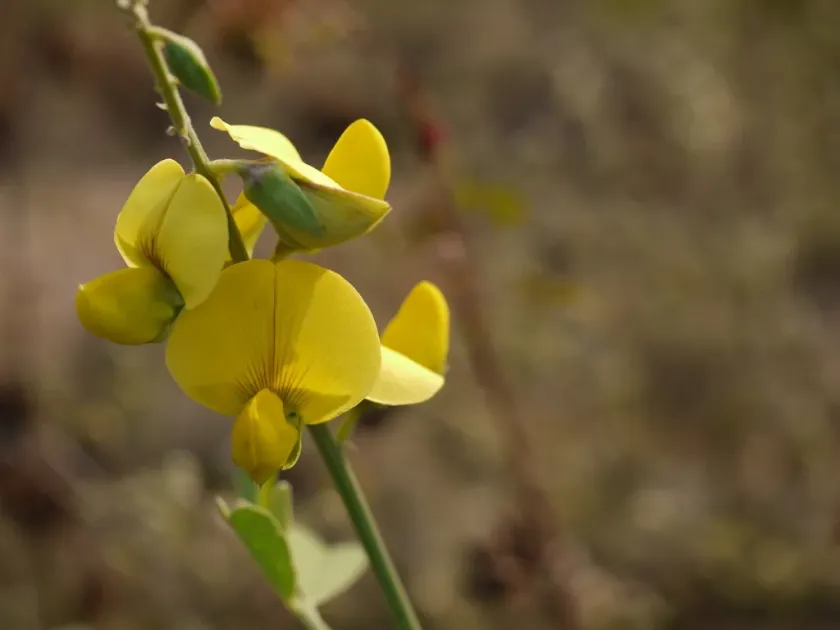
Description
Sowing dates
Sowing of Crotalaria shanica should commence when the soil temperature is sufficiently warm, typically reaching 15-18 degrees Celsius at the seeding depth. The optimal window for planting is late spring to early summer, allowing the crop to fully utilize the growing season for maximum biomass development.
The seeding rate is determined by the specific objective, whether the primary goal is biomass production or erosion control. Seeds are planted at a depth of 2 to 4 centimeters, ensuring proper soil contact to facilitate rapid and uniform germination across the field.
Scarification of seeds is highly recommended to overcome seed coat dormancy, which is common in many leguminous species. This treatment ensures consistent germination rates, especially when soil moisture levels are suboptimal at the time of sowing.
In large-scale farming, row planting with 30-45 centimeter spacing is standard practice. This configuration allows for effective weed management during the early growth stages and ensures each plant has sufficient access to nutrients and light.
In irrigated farming systems, staggered planting can be utilized to ensure a continuous supply of green manure throughout the summer. Maintaining spatial isolation during seed production cycles is essential to preserve the genetic purity of the cultivar.
Growing requirements
As a member of the Fabaceae family, Crotalaria shanica is prized for its nitrogen-fixing capabilities through symbiotic relationships with soil bacteria. It is an ideal candidate for low-input agricultural systems, thriving even on soils with limited initial nutrient levels.
The crop performs best in well-lit, sunny environments and prefers light-textured soils such as sandy or silty loams. While it shows remarkable tolerance to intermittent drought, adequate moisture levels during active growth phases are necessary to reach maximum yield potential.
Optimal pH levels for Crotalaria shanica fall within the slightly acidic to neutral range. In areas with highly acidic soils, liming is recommended to optimize microbial activity and nitrogen fixation efficiency within the root nodules.
The plant possesses a deep, robust taproot system that provides a natural mechanical loosening effect on the subsoil. This feature significantly enhances soil aeration and permeability, creating a more favorable environment for subsequent crops in the rotation.
In regions with shorter summers, selecting early-maturing varieties is critical, as the plant is sensitive to frost. Vegetative growth halts upon exposure to freezing temperatures, making timing essential for successful cover crop management.
Yield
The yield of green biomass produced by Crotalaria shanica is a primary indicator of its effectiveness as a green manure crop. Under favorable management practices, it can accumulate substantial amounts of nitrogen and organic matter per hectare.
Maximum dry matter accumulation is typically observed at the onset of the flowering stage. Harvesting or incorporating the crop during this period ensures the most efficient mineral release, providing a nutrient-rich boost to the soil for following crops.
Beyond the harvestable green biomass, the below-ground biomass provides significant benefits to long-term soil structure. The decomposition of the root system adds valuable organic carbon, enhancing soil tilth and fertility over multiple cropping cycles.
Seed yield, when pursued, depends heavily on pollinator activity during the flowering phase. Effective weed suppression during the early establishment phase is essential to prevent competition and ensure that resources are directed towards seed development.
Strategic application of phosphorus and potassium fertilizers during soil preparation can increase biomass output by approximately 15-20 percent. This optimization enhances the economic viability of including Crotalaria in the farming rotation.
Main diseases and pests
Although generally hardy, Crotalaria shanica can be susceptible to common legume diseases, such as powdery mildew. This risk increases significantly in high-humidity conditions or when planting densities are excessively high, limiting airflow.
Root rot diseases pose a primary threat in waterlogged conditions or fields with poor drainage. Preventing stagnant water is essential for maintaining crop health and ensuring a healthy, uniform stand of the legume.
Insect pests, including various cutworm species and aphids, can cause damage to seedlings during the early growth stages. Regular scouting of the fields enables early detection, allowing for targeted biological or chemical control if threshold levels are exceeded.
Nematode infestations can become a concern if leguminous crops are planted continuously in the same soil. Adhering to a diverse crop rotation cycle is the most effective preventive measure to manage these soil-borne threats.
Weeds are primarily a threat during the initial establishment period. However, once Crotalaria closes its canopy, it is highly effective at suppressing weed growth, reducing the need for post-emergence herbicide applications and supporting sustainable farming.
Harvesting
The harvest for green manure purposes is performed shortly before or at the start of flowering. The biomass is shredded using disc harrows or mulchers and incorporated into the top 10-15 centimeters of soil for rapid decomposition.
For seed collection, harvesting begins when pods darken and seeds become hard with characteristic coloration. This process should ideally occur during dry weather to prevent mold development and ensure the longevity of the harvested seed.
Post-harvest processing requires thorough cleaning to remove field debris followed by drying to a moisture content below 14 percent. Proper drying is a prerequisite for maintaining high germination rates and seed viability during storage.
Storage facilities must be cool, well-ventilated, and protected from rodents and insects. These conditions are vital to maintaining the seed quality over the medium to long term.
Precision in harvesting and incorporation procedures serves as the cornerstone of Crotalaria management. Implementing these practices effectively ensures the crop's continued role as a reliable pillar of soil fertility maintenance.