
Crotalaria saharae
Crotalaria saharae
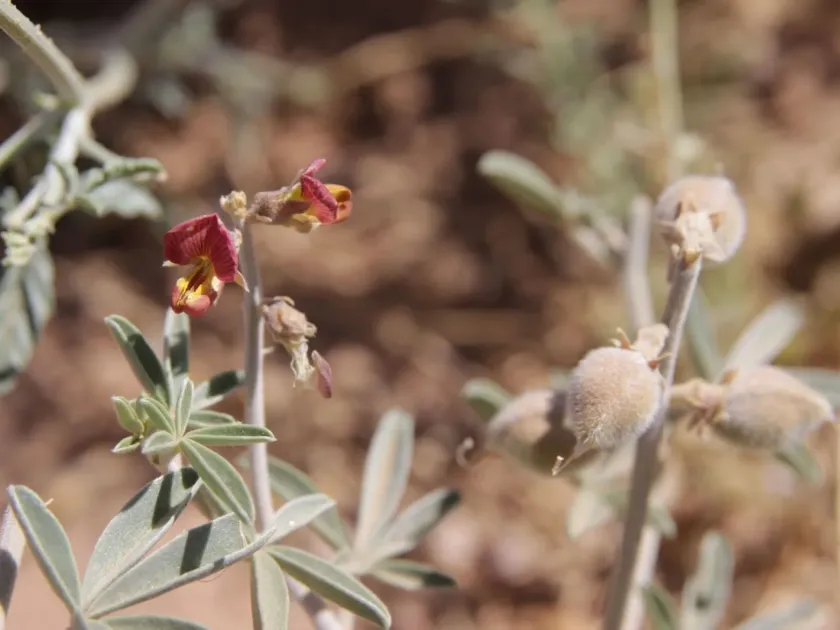
Description
Sowing dates
Crotalaria saharae is a hardy leguminous plant belonging to the Fabaceae family, specifically adapted to desert and semi-desert environments. The seeds possess a hard, impermeable seed coat, which necessitates mechanical or chemical scarification to facilitate germination and ensure uniform field emergence.
Sowing should be scheduled to coincide with the onset of the rainy season or when soil temperatures reach optimal levels for vigorous growth. Precise seeding depth is critical to ensure that the seedling can establish its taproot quickly before the surface soil layers dry out completely.
Growing requirements
This species thrives in arid climates where extreme heat and low precipitation limit the growth of most conventional crops. It prefers sandy or well-drained soils and exhibits remarkable tolerance to poor nutrient profiles and high solar irradiance.
As a legume, it forms a symbiotic relationship with nitrogen-fixing bacteria, which provides a significant nitrogen boost to the soil. This capability makes it an excellent candidate for crop rotation programs aimed at restoring fertility in degraded or marginal agricultural lands.
Water management is minimal, as the plant is highly adapted to water-stressed conditions. However, young plants require a brief period of moisture to establish, after which the plant becomes nearly self-sufficient even in the most inhospitable environments.
Yield
The primary economic value of the crop lies in its biomass production, which serves as green manure to prevent erosion and improve the physical structure of light soils. The biomass yield is largely dependent on the frequency of rainfall and the overall heat units accumulated throughout the season.
Main diseases and pests
The crop is occasionally susceptible to infestations by leaf-eating insects and certain coleopteran pests that target the foliage. Pathogen pressure, such as fungal root rots, typically only becomes a significant issue during uncharacteristically wet periods where soil drainage is compromised.