
Crotalaria quinquefolia
Crotalaria quinquefolia
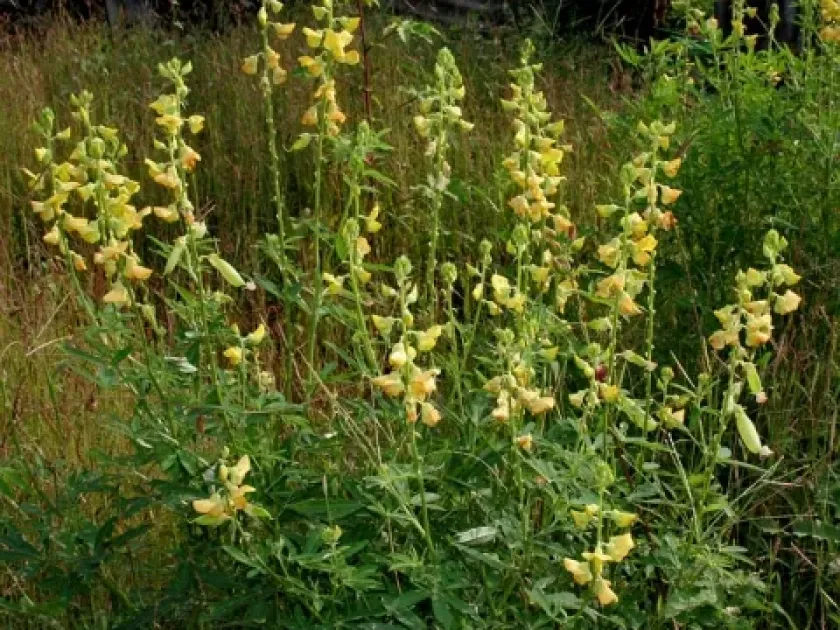
Description
Sowing dates
The seeds of Crotalaria quinquefolia are sown in warmed soil after the risk of night frost has passed. The optimal soil temperature for germination is between 20 and 25 degrees Celsius.
The recommended seeding rate depends on cultivation goals, typically ranging from 15 to 25 kg per hectare. Seeds are planted at a depth of 2 to 4 cm, depending on the soil moisture and texture.
In tropical and subtropical climates, sowing is often timed with the start of the rainy season, ensuring adequate moisture for the plant's vigorous early growth phase.
Seeds require scarification before sowing due to their hard seed coat, which helps to ensure uniform germination and consistent development across the field.
The crop is highly effective at suppressing weed growth due to its rapid accumulation of biomass, making it a valuable component for integrated crop management.
Growing requirements
Crotalaria quinquefolia is a warm-season herbaceous plant belonging to the Fabaceae family. It demonstrates high adaptability to various soil types, including nutrient-poor soils.
Optimal growth requires full sun exposure. The plant does not tolerate shading well, which is an important factor to consider when determining the appropriate planting density.
The plant exhibits significant drought tolerance, but it reaches its maximum productivity in areas with regular rainfall or when managed with supplemental irrigation.
Good soil aeration is critical, as waterlogging in the root zone can lead to fungal infections. Well-drained loams or sandy loams are preferred for cultivation.
The crop is capable of atmospheric nitrogen fixation through symbiosis with root-nodule bacteria, which significantly enhances soil fertility for subsequent crops in a rotation.
Yield
Biomass yield depends heavily on agronomic management and moisture availability. Under favorable conditions, the crop can yield 20–30 tons of green matter per hectare per season.
As a green manure crop, Crotalaria quinquefolia enriches the soil with organic matter and nitrogen, which has a positive impact on the productivity of the following cash crops.
Agricultural use includes application as a green fertilizer and, in some cases, limited use as livestock fodder, provided it is processed correctly to manage toxicity risks.
To maximize nitrogen contribution, the biomass should be harvested or incorporated into the soil before the onset of mass seed production, when tissue nitrogen levels are highest.
Leaving crop residues on the soil surface protects against erosion and enhances soil structure, providing long-term economic and environmental benefits.
Main diseases and pests
The primary threats include sucking pests such as aphids and thrips, which can attack young shoots and significantly reduce the overall growth rate of the crop.
Fungal diseases, caused by excessive humidity and poor airflow within the crop stand, can manifest as root rots and various leaf spot diseases.
- Root rot (Rhizoctonia).
- Leaf spot (Cercospora).
- Caterpillar infestations (Noctuidae).
Disease prevention involves strict adherence to crop rotation practices and avoiding over-densification of the stands. Monitoring field conditions from early growth is vital.
In certain instances, pests may act as vectors for viral diseases, making regular field inspections a necessary requirement for successful agricultural production.