
Crotalaria montana
Crotalaria montana
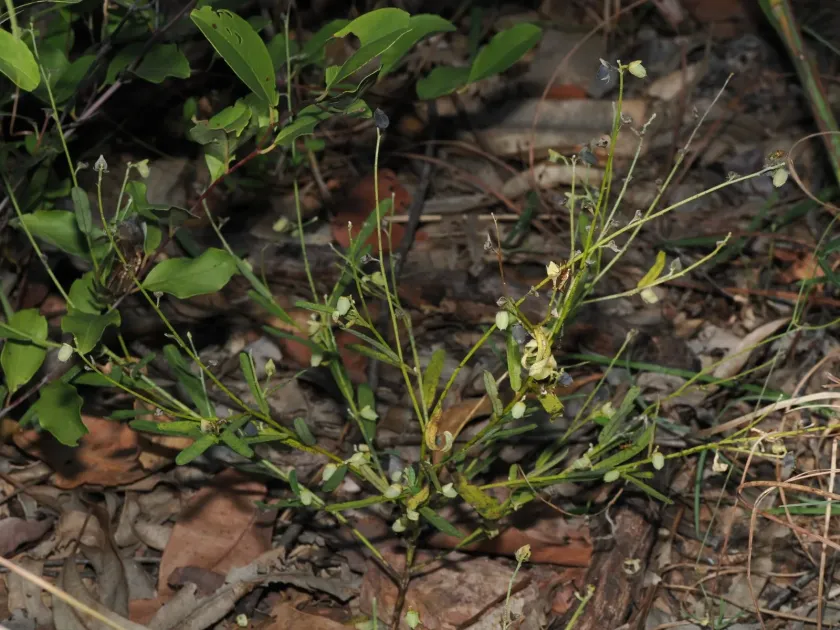
Description
Sowing dates
Crotalaria montana belongs to the Fabaceae family. While it is a perennial in its natural habitat, it is often managed as an annual crop in modern agricultural systems for soil improvement.
The optimal planting time occurs when the soil temperature consistently reaches at least 20 degrees Celsius. This ensures rapid germination and a strong initial establishment of the crop.
Seeds are typically drilled at a depth of 2–3 cm with row spacing ranging from 30 to 45 cm to allow for efficient soil coverage and biomass accumulation.
Proper soil preparation before sowing is essential to provide a loose seedbed, which encourages the development of the plant's deep taproot system.
The crop establishes itself quickly, forming a dense canopy that helps to suppress weeds and reduce the need for mechanical weeding operations.
Growing requirements
The plant thrives in tropical and subtropical climates and is highly sensitive to frost. It requires full sunlight to achieve maximum growth potential.
Soil requirements include good drainage and a pH range between 5.5 and 7.0. While it adapts to various soil types, well-aerated sandy loams are preferred.
Water requirements are moderate. Once established, the crop demonstrates excellent drought tolerance, making it suitable for areas with sporadic rainfall.
It is crucial to avoid waterlogged conditions, as the root system is susceptible to decay in stagnant water environments, which can lead to significant crop loss.
Strategic management of soil nutrient levels is minimal since the plant is a nitrogen fixer, though initial phosphorus application can boost early growth.
Yield
The primary agricultural utility of Crotalaria montana is as a green manure crop. It significantly improves soil structure and organic matter content.
The yield of biomass is substantial, providing a high quantity of nitrogen back into the soil when the plants are incorporated before they reach full maturity.
As a legume, it forms a symbiotic relationship with nitrogen-fixing bacteria, which enhances soil fertility for subsequent staple crops in the rotation cycle.
The crop's deep root structure effectively breaks up compacted soil layers, improving water infiltration and oxygen circulation in the rhizosphere.
Incorporating the biomass at the beginning of the flowering stage provides the optimal balance between nitrogen content and ease of decomposition in the soil.
Main diseases and pests
Fungal root diseases represent the most significant threat to the crop, especially in conditions of high humidity or poor soil drainage.
Pests such as leaf-eating beetles and certain caterpillar species can damage the canopy. Regular field inspections are necessary to identify early signs of infestation.
Powdery mildew may occur in areas with limited airflow, necessitating adequate plant spacing to maintain healthy crop development throughout the season.
Preventative measures include rotating the crop with non-leguminous species to break the life cycles of soil-borne pathogens and pests.
Maintaining field hygiene and clearing crop residues post-harvest helps to minimize the overwintering of potential threats in the planting area.