
Crotalaria assamica
Crotalaria assamica
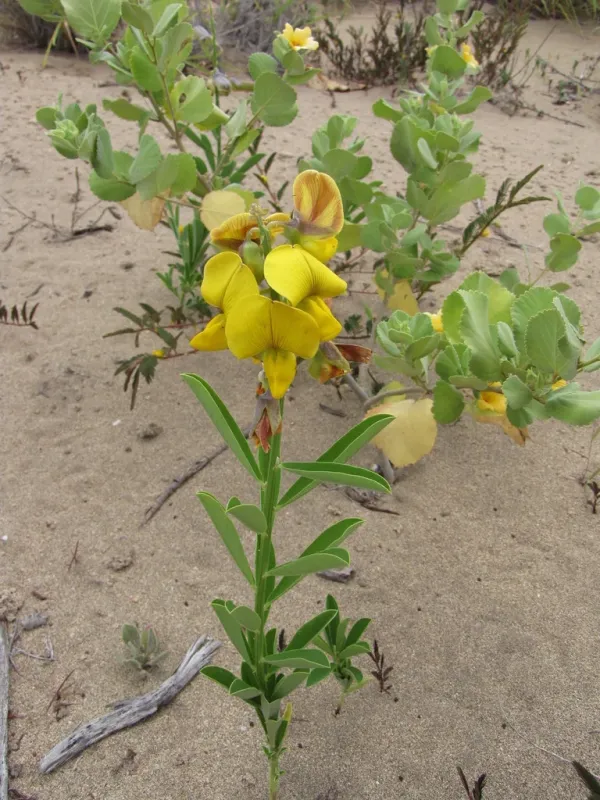
Description
Sowing dates
Crotalaria assamica is a tropical plant that thrives in warm climates, requiring soil temperatures consistently above 18 degrees Celsius for successful germination.
Sowing should ideally occur at the start of the rainy season to provide the necessary moisture for rapid establishment and seedling development.
Due to the hard seed coat, pre-sowing scarification is a highly recommended practice to ensure uniform emergence across the field.
Seed depth should be maintained between 2 and 4 centimeters to allow for optimal soil moisture contact and protection from surface drying.
Plant density depends on the final goal: lower density for seed production and higher density for biomass accumulation and weed suppression.
Growing requirements
This legume species is sensitive to frost and thrives in full sun exposure, making it an excellent crop for tropical and subtropical agro-ecosystems.
Crotalaria assamica prefers well-drained loamy or sandy soils but exhibits a remarkable tolerance to slightly waterlogged conditions during peak growth.
The plant performs well in nutrient-poor soils because it fixes atmospheric nitrogen, thereby improving soil fertility for subsequent crops in rotation.
Neutral to slightly acidic soil conditions are ideal for the development of root nodules and the efficient activity of symbiotic bacteria.
Adequate weed control during the first month is crucial, as the crop is initially slow-growing and can be outcompeted by aggressive weeds.
Yield
The biomass yield of Crotalaria assamica is substantial, providing a large volume of organic matter when incorporated into the soil as green manure.
High nitrogen content in the leaves and stems makes it a preferred option for organic farmers looking to increase soil organic carbon levels.
Growth rates are significantly influenced by rainfall distribution; irrigation during prolonged dry spells can lead to exponential increases in biomass.
Seed yield varies depending on pollinator activity and environmental conditions during the flowering phase, necessitating careful field management.
When used for mulch, the succulent nature of the stems facilitates fast decomposition, which quickly releases nutrients back into the soil profile.
Main diseases and pests
The primary pests affecting Crotalaria assamica include lepidopteran larvae and aphids, which target the tender leaves and developing shoots.
Fungal pathogens such as powdery mildew or root rot can develop in fields with poor ventilation or stagnant water conditions, especially in humid regions.
Integrated pest management strategies, including the use of trap crops and biological controls, are effective in minimizing damage to the stand.
Seedling blight can be an issue if seeds are not treated with fungicides, especially when sowing into soils with a history of damping-off diseases.
Farmers should be aware that all plant parts contain alkaloids, which can be toxic if consumed by livestock, requiring proper site management.
Harvesting
The optimal time for harvesting as green manure is at the full flowering stage, which ensures maximum biomass and nutrient content before lignification.
Mechanical incorporation into the soil should be done using disc harrows or rototillers to ensure the plant material is buried at the correct depth.
Seed harvesting should occur when the pods turn dark brown, just before they naturally shatter to release seeds on the ground.
Proper drying of the harvested seeds is essential for long-term storage; moisture levels should be kept low to prevent fungal infection.
Post-harvest residues, if not incorporated into the soil, can be composted to further enrich the farm's organic matter resources.