
Crossopteryx febrifuga
Crossopteryx febrifuga
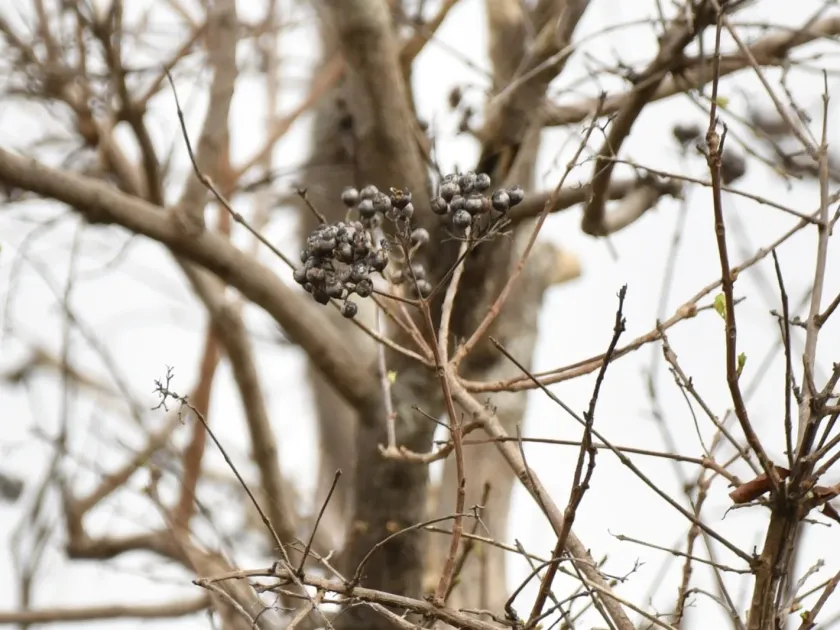
Description
Growing requirements
Crossopteryx febrifuga is a perennial tree belonging to the Rubiaceae family, native to the tropical regions of Africa. It is a deciduous or semi-deciduous woody plant that plays a significant role in traditional ecological systems, growing mainly in savannah woodlands.
The climate requirements include high thermal indices and a distinct dry season, which the plant manages through its inherent drought-resistant physiological mechanisms. It thrives in regions with intense sunlight, requiring full sun exposure to reach its maximum height of approximately 10–12 meters.
Soil quality is paramount for this species; it prefers well-drained, porous soils. Waterlogging should be strictly avoided to prevent root system degradation, making slope land or elevated terrain suitable for its cultivation in a controlled agricultural environment.
Agronomic management focuses on the early establishment phase. Seedlings require careful attention to irrigation to ensure robust root development. Once established, the plant shows remarkable tolerance to adverse environmental conditions, reducing the need for intensive input.
Economically, the bark and roots are highly valued in phytomedicine. The presence of specific bioactive compounds provides antiseptic and antipyretic effects, driving interest in the sustainable cultivation of this tree to meet the demand for botanical raw materials.
Main diseases and pests
Fungal pathogens represent the primary biological threat, especially in nurseries where moisture management is difficult to regulate. Root rots can decimate young stands if soil drainage is compromised.
Insect pests, such as stem borers and foliage-feeding beetles, frequently attack the trees in their native habitat. These pests can cause significant physical damage to the trunk and leaves, affecting the plant's overall vigor.
Competition from fast-growing invasive weeds is a critical factor in the early stages of plantation development. Mechanical weeding or the application of organic mulch is necessary to secure the growth space for young trees.
Climate-related threats include extreme flooding during the peak of the rainy season, which may lead to oxygen starvation in the rhizosphere, resulting in physiological decline.
Implementing a strict monitoring program for pest populations and maintaining optimal planting spacing are essential practices to mitigate risks and ensure long-term health in commercial cultivation sites.