
Crossandra infundibuliformis
Crossandra infundibuliformis (L.) Nees
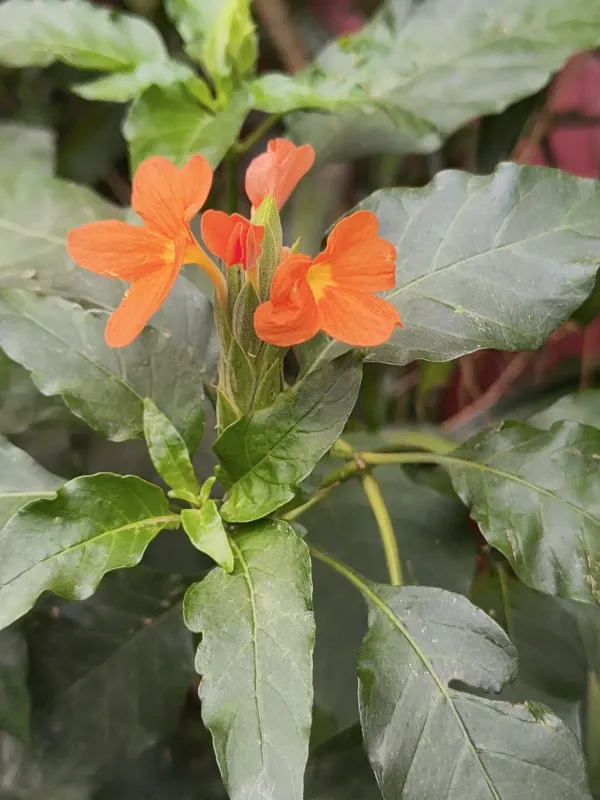
Description
Sowing dates
Crossandra infundibuliformis, a member of the Acanthaceae family, is a popular ornamental plant. In commercial production, it is propagated either by seeds or stem cuttings to ensure uniform quality across the crop.
Seed sowing is typically performed in late winter or early spring, requiring soil temperatures around 22–24 degrees Celsius. Seeds are kept under cover to maintain the high humidity necessary for germination.
Once seedlings develop their first true leaves, they are transplanted into individual pots. Providing consistent, bright indirect light is crucial at this stage to prevent the plants from becoming leggy.
Cuttings are a more common method for vegetative propagation of specific varieties. Cuttings of about 10 cm are taken and rooted in a sterile, well-draining substrate under high humidity conditions.
Properly rooted young plants require regular fertilization to build a robust root system before the onset of the flowering season, which is their primary commercial feature.
Growing requirements
Native to the tropical regions of India and Sri Lanka, this species demands warm, stable environmental conditions. It thrives at temperatures between 20 and 25 degrees Celsius and dislikes cold drafts.
A fertile, slightly acidic, and well-draining soil mix is essential. A blend of peat, leaf mold, and sand is generally recommended to prevent waterlogging and ensure adequate root aeration.
Crossandra prefers bright, indirect light; direct sunlight in the afternoon can scorched the leaves. Greenhouse cultivation often involves shading to protect the plant from high-intensity sun.
Watering must be regular and consistent, ensuring the substrate remains moist but never waterlogged. Using soft, room-temperature water helps maintain the health of the foliage and root system.
During the active growing phase, applying a balanced liquid fertilizer every two weeks is recommended. Humidity levels should be kept high, especially during the warmer months, to promote blooming.
Yield
The primary use of Crossandra infundibuliformis is in the decorative horticulture industry, where it is sold as a potted plant. Its high commercial value is tied to its long-lasting, vibrant, funnel-shaped flowers.
Yield and quality are optimized by pinching the terminal shoots in young plants, which encourages lateral branching. A denser plant structure results in a higher number of flowering spikes per specimen.
Pruning after the blooming cycle is finished allows the plant to rejuvenate and prepare for the next flowering phase. This practice is essential for maintaining the marketability of the plants.
Quality assessment focuses on the symmetry of the plant, the intensity of the leaf green, and the number of flower spikes present. A healthy specimen will bloom continuously throughout the summer.
The lifespan of a high-quality potted Crossandra is generally limited to two or three years; after this, production efficiency drops, necessitating the replacement of the crop stock.
Main diseases and pests
The most common pests affecting this culture include spider mites and mealybugs. These pests thrive in dry environments, making moisture management a primary prevention strategy.
Spider mite infestation is identifiable by fine webbing and yellowing leaves. If left untreated, it leads to significant defoliation and a decline in the plant's overall health.
Root rot is the most prevalent disease, caused primarily by poor soil drainage and excessive moisture. Using clean, sterile substrates and proper watering regimes are the best methods of control.
For pest control, systemic insecticides and acaricides are utilized. It is critical to apply these products carefully, following label instructions to avoid damaging the sensitive flowers.
General hygiene, such as cleaning the greenhouse benches and monitoring new stock for pests, is essential for maintaining a healthy and disease-free production environment.
Harvesting
Harvesting for commercial distribution involves selecting plants that have reached optimal vegetative and flowering maturity. Plants should exhibit firm growth and healthy color before leaving the facility.
During transport, it is vital to protect the delicate flower spikes from mechanical impact. Potted plants should be packed in secure containers to maintain structural integrity during shipping.
For cut flower production, spikes are harvested early in the morning when the first blossoms begin to open. Immediate hydration is required to maximize the vase life of the cut stems.
Removing spent flower spikes is a routine maintenance task that improves the plant's appearance and redirects energy toward the development of new, healthy buds.
Professional growers monitor the market demand to time the peak flowering phase of their crop, ensuring that the plants reach retailers at the height of their ornamental attractiveness.