
Crocus pulchellus
Crocus pulchellus
Description
Sowing dates
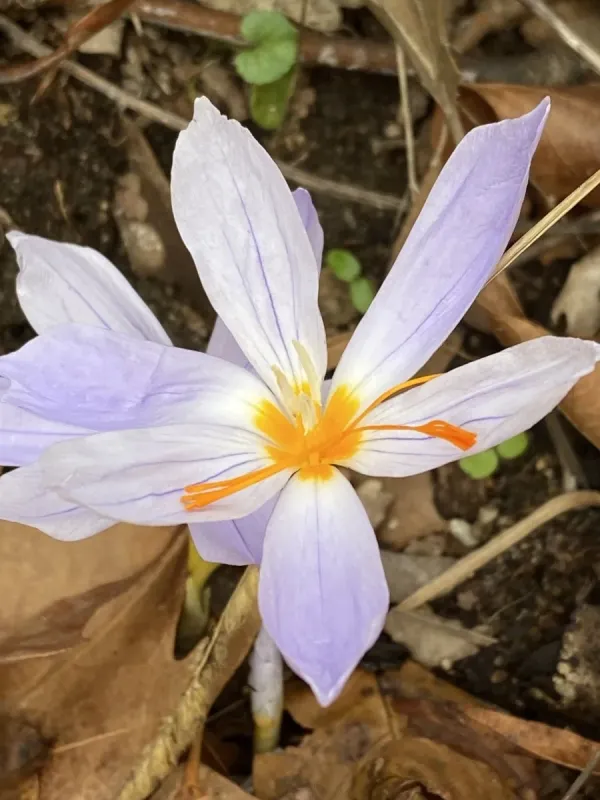
Crocus pulchellus is a captivating species belonging to the Iridaceae family, notable for its delicate lilac-blue flowers appearing in late autumn.
The optimal planting time for the corms is during their summer dormancy, specifically in August, to ensure they establish roots before the blooming phase.
Planting depth should be between 8 and 10 centimeters, providing enough thermal insulation for the bulb during winter dormancy.
Space the bulbs approximately 10 to 15 centimeters apart to allow sufficient airflow and room for the natural multiplication of the corm clumps.
While seed propagation is possible, it is a slower process, so vegetative division of corm offsets remains the preferred method for garden cultivation.
Growing requirements
This species thrives in well-drained, gritty soils, reflecting its native habitat on rocky slopes in Southeastern Europe and Turkey.
Excessive moisture in the soil, especially during the summer rest period, must be avoided to prevent rotting of the underground structures.
A location with full sun or light dappled shade is ideal, as it helps the foliage mature properly after the flowering season concludes.
The plant is relatively hardy and can adapt to various temperate climates, though mulching is recommended in regions with extremely harsh winters.
Avoid heavy fertilizers with high nitrogen content, as these can promote excessive leaf growth at the expense of floral development.
Main diseases and pests
Fungal diseases like Botrytis are the primary threat, especially in seasons with abnormally high rainfall that leads to waterlogged soil.
Small rodents such as voles can cause significant damage to the planting by feeding on the nutrient-rich corms throughout the year.
Good hygiene in the garden, such as removing decaying plant debris, is essential to minimize the buildup of harmful pathogens.
If viral symptoms appear, such as mottled foliage or distorted petals, the affected bulbs should be removed and disposed of to prevent spreading.
Regular inspection of the storage area is crucial to ensure that fungal rot does not destroy the bulb stock during the off-season.
Harvesting
Lifting and dividing the clumps should occur every three to four years, once the foliage has turned yellow and died back completely.
Carefully lift the corms using a garden fork, avoiding damage to the outer tunics, which protect the bulb from drying out.
Clean off the excess soil and allow the corms to dry in a cool, shaded, and well-ventilated location for several days before storage.
Discard any shriveled or diseased bulbs to maintain the overall health of the collection for the next planting cycle.
Store the prepared corms in breathable paper bags or shallow trays to maintain optimal humidity levels until the autumn planting season.