
Crocosmia hybrids
Crocosmia hybrids
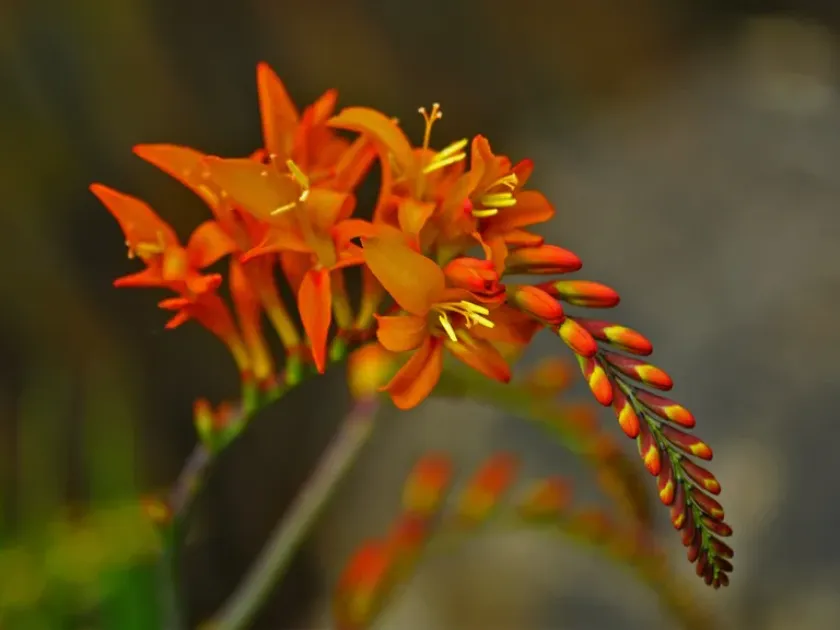
Description
Sowing dates
Planting of Crocosmia hybrids in open ground is typically carried out in spring once the soil temperature reaches 8–10 degrees Celsius, usually corresponding to late April or early May.
Corms should be planted in light, well-drained soil at a depth of 6 to 10 centimeters, maintaining a spacing of 15–20 centimeters between plants to ensure adequate air circulation.
In regions with harsh winters, container cultivation is a common practice, allowing the vegetation process to start indoors in March for well-developed plants by the time of outdoor transplanting.
An important preparation step involves pre-sprouting the corms in a bright, temperate area, which helps accelerate the onset of flowering by two to three weeks.
When propagating by seed, sowing should take place in seed trays during February or March, while maintaining high soil moisture levels until the first seedlings emerge.
Growing requirements
Crocosmia hybrids belong to the Iridaceae family and are perennial cormous plants developed through the breeding of various South African species.
This crop has high demands regarding light exposure; it requires sunny, open locations to ensure the formation of vibrant flower spikes and deep petal coloration.
The soil must be fertile, ranging from neutral to slightly acidic, and must provide excellent drainage, as water stagnation is detrimental to the corm and root systems.
During the active growth phase, the plant requires consistent watering, although excessive moisture during the corm formation stage can lead to fungal infections.
Regular fertilization with organic and mineral supplements is essential for optimal development, particularly during the budding phase to maintain the plant's ornamental quality.
Main diseases and pests
The most significant pest for Crocosmia is the spider mite, which proliferates rapidly under conditions of low air humidity and high temperatures, damaging the foliage.
Plantings are often susceptible to thrips and mole crickets, the latter of which can cause direct damage to the corms underground, significantly stunting the plant's growth.
Among fungal pathogens, Fusarium wilt is a major concern, causing yellowing and wilting of the foliage due to damage to the corm tissue and root collar.
Poor soil aeration and water accumulation can trigger gray mold (Botrytis), characterized by a fuzzy coating on the stems, requiring the immediate removal of affected parts.
Preventative measures include treating corms with fungicides before planting and maintaining a balanced irrigation schedule to avoid waterlogging the soil.
Harvesting
Harvesting of corms for storage should be performed in late September or early October, before the onset of hard frosts that can damage the plant material.
After the foliage has yellowed, stems are cut back, leaving small stumps; the corms are then carefully lifted, cleaned of soil, and dried in a well-ventilated area.
Once dried, the clusters of corms are separated, damaged specimens are discarded, and the healthy ones are stored at a temperature of 5–8 degrees Celsius for the winter.
In southern regions with mild climates, Crocosmia can be left to overwinter in the ground, provided they are mulched with a layer of dry leaves or peat to prevent freezing.
The primary economic and horticultural use of this plant is in landscape design and as a cut flower, valued for its high decorative appeal and vase longevity.