
Goldstar
Crocidium multicaule
Description
Growing requirements
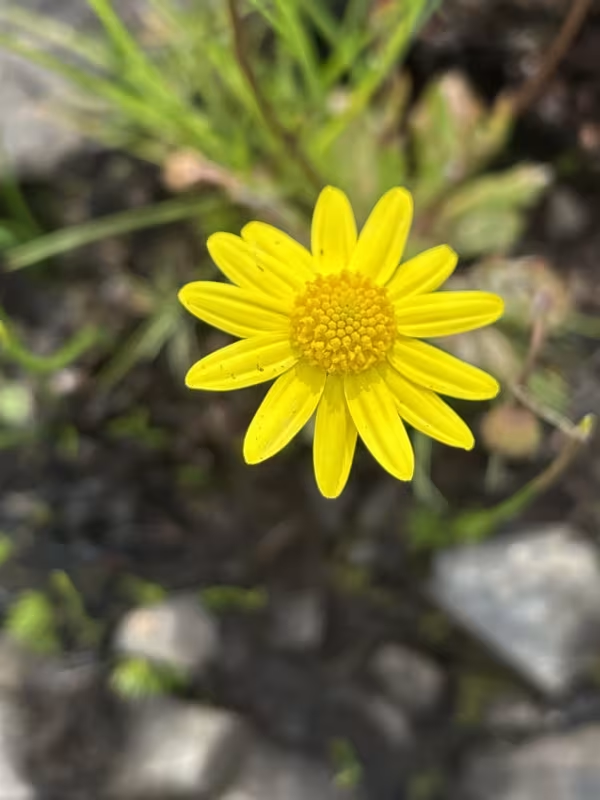
Crocidium multicaule, commonly known as Goldstar, is a delicate annual herb belonging to the Asteraceae family. It is recognized for its bright yellow daisy-like flowers that appear early in the spring season.
The native range of this plant spans across the western regions of North America, particularly in coastal and inland areas of the Pacific Northwest and California. It is a classic example of an ephemeral wildflower.
The plant thrives in Mediterranean-type climates, characterized by wet, mild winters and dry, warm springs. It is typically found in well-drained habitats such as rocky outcrops, hillsides, and grasslands.
Soil requirements focus on high drainage capacity. The plant prefers sandy or gritty soils that prevent water stagnation, as its roots are sensitive to rot under prolonged wet conditions during its dormant stage.
In terms of horticultural use, it is primarily appreciated by enthusiasts of native plant gardening. It is often utilized in rock gardens or meadow restoration projects, as it provides early season color and supports local pollinators.
Main diseases and pests
The primary threats to Goldstar populations are habitat loss and climate change, which disrupt the precise timing of its short growing season. Insufficient winter rain often prevents the plants from reaching maturity.
Fungal pathogens represent a significant risk during periods of high humidity. Diseases such as powdery mildew or root rot can spread rapidly in dense stands, especially if there is poor air circulation.
Pest pressure from aphids and slugs is common during the early stages of growth. These pests can significantly reduce the photosynthetic area of the plant, leading to stunted growth and reduced seed production.
Invasive non-native grasses compete heavily with Crocidium multicaule for limited space and nutrients. These aggressive species often outcompete the smaller native plants in their natural meadows.
Human activities, including road construction and development in wildland areas, continue to fragment the remaining habitats, making it difficult for populations to maintain genetic diversity.