
Crocanthemum propinquum
Crocanthemum propinquum
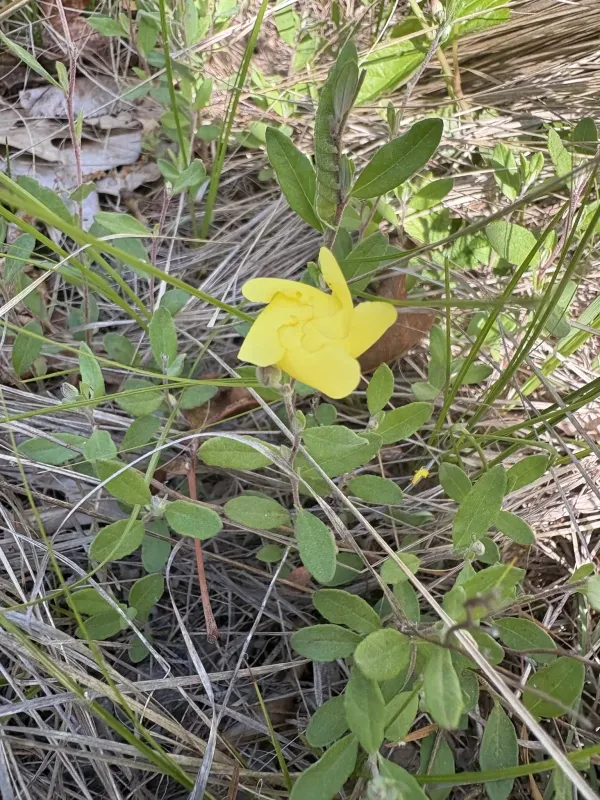
Description
Growing requirements
Crocanthemum propinquum is a resilient perennial plant belonging to the Cistaceae family. Native to North American habitats, this species is noted for its ability to thrive in harsh, dry environments where many other agricultural crops would struggle to survive.
The plant requires full sun exposure to maintain its metabolic functions and promote vigorous growth. In agricultural settings, it is best suited for sandy, loamy, or rocky soils that provide excellent drainage, as the plant is highly susceptible to root decay from waterlogging.
Climate adaptability is one of the key strengths of this species. It is naturally evolved to handle intense heat and periods of low precipitation, making it a viable candidate for sustainable land management in arid climates.
Agronomic management involves minimal soil disturbance and the maintenance of a weed-free environment during the establishment phase. Because of its sensitive root structure, it is generally advised against excessive tilling around the base of the plants.
Beyond its botanical interest, the species is investigated for its potential in land reclamation. Its root system helps in soil stabilization, making it valuable for restoration projects in areas prone to desertification or wind erosion.
Main diseases and pests
The primary threat to Crocanthemum propinquum is root rot, typically exacerbated by poor soil drainage. Maintaining high levels of soil aeration is the most effective strategy to mitigate this risk.
Fungal pathogens such as powdery mildew can affect the foliage if the plants are grown in clusters that lack proper ventilation. Strategic spacing during planting is essential to prevent the spread of such infections.
Insect pests, including aphids and spider mites, may periodically colonize the plants during dry spells. Careful observation is required, and biological control agents are preferred to preserve the local ecosystem balance.
Soil-borne larvae of various coleopterans may occasionally feed on roots, though this is less frequent if the soil structure remains optimal and well-drained. Monitoring for any decline in overall plant vigor is recommended.
Integrated pest management strategies focusing on early detection and physical barriers are sufficient to maintain the health of the crops, as the species generally demonstrates robust natural defense mechanisms.