
Sea fennel
Crithmum maritimum
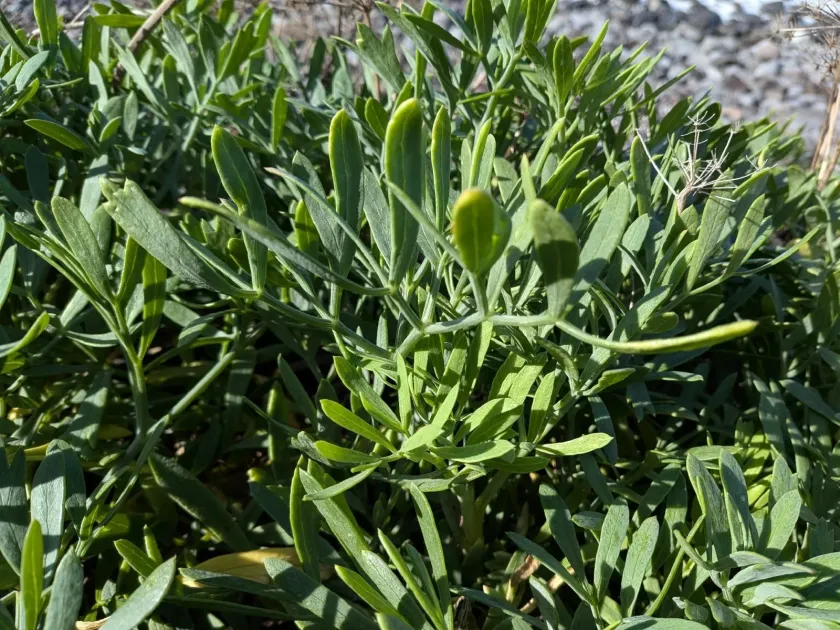
Description
Sowing dates
Sea fennel (Crithmum maritimum), a member of the Apiaceae family, is a halophyte adapted to saline coastal environments. Propagation is primarily achieved through seeds, which often require a period of stratification to improve germination rates significantly.
In controlled farming environments, seeds should be sown in late winter or early spring using nursery trays filled with sandy, well-draining substrate. It is critical to maintain consistent moisture without waterlogging the seeds during the initial stages.
Transplanting seedlings to open fields should occur once the risk of frost has passed and weather conditions are stable. Proper root establishment requires light irrigation during the first few weeks following the move to the permanent location.
For commercial cultivation, spacing is a crucial factor; providing enough airflow between plants is essential to prevent fungal infections. The plants grow relatively slowly, so patience is required during the initial establishment phase.
Seed germination can be slow and sporadic, so the use of growth-promoting substances or specific temperature treatments (between 18-22 degrees Celsius) can help ensure more uniform emergence of seedlings across the field.
Growing requirements
This crop thrives in full sunlight, which is necessary for the plant to develop its full range of aromatic essential oils and nutrients. Shade-grown plants typically lack the potency and flavor profile characteristic of this species.
Sea fennel is highly tolerant of soil conditions but performs best in light, rocky, or sandy soils with excellent drainage. Its natural affinity for salt makes it a perfect candidate for utilizing coastal land that might be unsuitable for other crops.
Moderate temperatures are ideal for growth. While the plant is naturally resistant to strong coastal winds, it may require some protection or mulching during the first years if exposed to extreme, unexpected temperature drops.
Watering should be kept moderate. As a succulent-like plant, it stores water in its fleshy leaves and can withstand significant periods of drought once the root system is well established. Excessive soil moisture is the primary cause of root failure.
A minimalist approach to fertilization is advised. Excess nitrogen promotes rapid vegetative growth, which can dilute the concentration of essential oils in the foliage, ultimately lowering the quality and market value of the produce.
Main diseases and pests
The main threats to sea fennel plantations are fungal diseases such as powdery mildew or root rot, which typically manifest in poorly ventilated areas or soils that retain too much moisture for extended periods.
Pests like aphids and spider mites can occasionally affect the tender young growth, particularly during hot, dry spells. Regular monitoring of the foliage ensures that localized outbreaks can be treated before they spread.
Slugs and snails are common garden pests that may consume the succulent leaves, especially during humid or rainy seasons. Maintaining clean, weed-free borders around the planting area helps to minimize these infestations.
Poor agricultural practices, particularly over-irrigation, lead to soil-borne pathogens. Improving drainage and ensuring adequate spacing between rows remain the most effective preventative measures against these common plant threats.
If chemical intervention becomes necessary due to high pest pressure, it is essential to use organic, plant-based products, as the leaves are intended for culinary consumption and must remain safe for human health.
Harvesting
The edible parts of sea fennel include the young, fleshy leaves and shoots, which are traditionally used in salads, as a piquant herb, or pickled in vinegar. Harvesting should not commence until the plant is at least two years old.
The optimal harvest window is during the period of active growth, before the plant enters its flowering stage. This is when the leaves contain the highest concentration of flavor-enhancing aromatic oils.
Harvesting is performed by carefully cutting the stems with sharp tools, ensuring the central rootstock remains undamaged. Strategic pruning encourages the plant to produce new side shoots, effectively increasing the lifespan of the crop.
Post-harvest, the product should be kept in cool conditions, as the delicate foliage can wilt quickly. Its preservation in vinegar is a traditional method that locks in the unique flavor profile and makes it a versatile ingredient.
Finally, maintaining the cleanliness of the field after harvest is essential to prevent the accumulation of rotting organic matter, which can serve as a breeding ground for pathogens that might threaten the health of the next growing cycle.