
Cratylia argentea
Cratylia argentea
Description
Sowing dates
Cratylia argentea is primarily propagated by seeds, which are sown in prepared soil at the beginning of the rainy season. The optimal planting depth is between 1 and 2 centimeters to ensure adequate contact with moist soil.
Before sowing, it is often recommended to scarify or soak the seeds to accelerate germination, as the hard seed coat can otherwise impede moisture uptake. Seeding density is adjusted based on whether the crop is intended for hay production or pasture grazing.
During the first weeks of growth, seedlings require protection from weed competition, as initial development can be relatively slow. Once established, the plant develops a robust root system, making it significantly more competitive.
The ideal time for planting is during a period of consistent rainfall to guarantee strong root establishment before any potential dry spells occur.
When used as a live fence or a shrubby intercrop, Cratylia is planted in rows with specific intervals, allowing for efficient space utilization and ensuring sunlight penetration to each plant.
Growing requirements
Cratylia argentea is a perennial shrub in the Fabaceae family, noted for its exceptional drought tolerance. It is well-adapted to the climatic conditions of tropical savannas characterized by distinct wet and dry seasons.
The plant prefers well-drained soils, including acidic and nutrient-poor soils, making it valuable for the restoration of degraded lands. The crop does not tolerate waterlogging, so it is essential to avoid sites with poor drainage.
The temperature regime for optimal growth ranges between 20 and 30 degrees Celsius. It can survive extended periods without precipitation due to the deep penetration of its roots into the soil horizons.
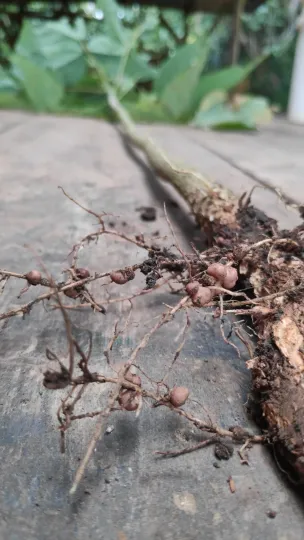
In low-fertility soils, Cratylia is capable of nitrogen fixation through symbiosis with nodule-forming bacteria, which improves the overall soil nutrient status in the field.
The crop requires sufficient sunlight for optimal biomass formation and to ensure high protein content in the foliage; therefore, planting in deep shade under forest canopies is not recommended.
Yield
The yield of Cratylia argentea depends on rainfall patterns, soil quality, and harvesting frequency. Under favorable conditions, it provides significant volumes of green biomass that maintains high nutritional value even during the dry season.
Studies indicate that with proper grazing management, Cratylia can provide a stable dry matter yield that significantly exceeds that of many native grass species.
The leaves of this plant are rich in crude protein, which can reach levels of 18–22 percent, making it an excellent protein source for ruminants during critical times of the year.
The number of cuts per year is directly correlated with growth intensity, but excessive harvesting should be avoided to prevent depleting root reserves and reducing the longevity of the plant.
The optimal cutting height is approximately 40–50 centimeters above ground level. This allows the plant to regenerate vegetative mass rapidly from the remaining dormant buds.
Main diseases and pests
Cratylia argentea is considered a relatively resilient crop; however, in conditions of high humidity and poor ventilation, it may become susceptible to fungal leaf diseases.
Regarding pests, insects that consume young leaves and shoots during the active growing season pose the greatest threat, potentially slowing the development of younger plants.
In areas of intensive grazing, excessive stocking rates can lead to plant suppression, so rotational grazing should be implemented to prevent overgrazing of the shrub.
Weeds are serious competitors during the seedling establishment phase, so agronomic practices must include regular weeding or the use of mulch to suppress unwanted vegetation.
Improper fertilization regimes, particularly the excess of certain micronutrients, can disrupt soil balance and induce physiological disorders that reduce crop productivity.
Harvesting
Harvesting is typically carried out mechanically or manually when the plant is used for hay or silage production. The best time for harvest is before the onset of active flowering, when the concentration of nutrients in the leaves is at its peak.
When producing hay, it is vital to ensure rapid drying of the biomass to preserve the nutritional value of the leaves and prevent mold development caused by high moisture content.
Cratylia is well-suited for ensiling, especially when mixed with other forage grasses, providing high-quality feed for the winter-spring shortage period.
For pasture use, livestock are introduced to Cratylia plots once the plants reach a height of 80–100 centimeters, ensuring an optimal balance between biomass volume and nutrient density.
After harvesting, the plant must be given a rest period to allow for the accumulation of nutrients in the roots, which ensures vigorous regrowth in the following vegetation cycle.