
Craterostigma plantagineum
Craterostigma plantagineum
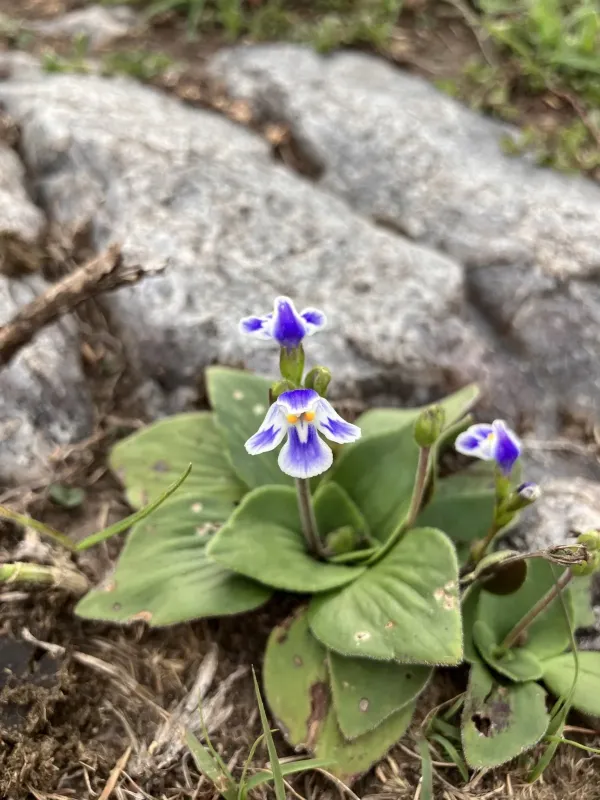
Description
Growing requirements
Craterostigma plantagineum is a member of the Linderniaceae family, widely recognized for its unique ability to survive extreme desiccation. Native to tropical and southern Africa, it serves as a model for studying plant tolerance to water stress.
The plant is naturally adapted to savannah environments, where it experiences cycles of severe drought followed by intense rainfall. Its cellular mechanism allows it to survive losing almost all of its water content without permanent damage to cell structures.
Regarding environmental requirements, this species thrives in rocky or shallow soils where water drainage is efficient. It cannot survive in stagnant water or waterlogged conditions, as its physiology is optimized for rapid gas exchange during intermittent wet phases.
Growth conditions involve high sunlight exposure and ambient temperatures that typical savannah landscapes provide. The plant utilizes specialized sugars to protect its organelles during the dehydrated state, enabling a quick recovery phase.
While not a traditional agricultural crop in the commercial sense, its genetic potential for drought-resistant traits makes it a subject of agricultural research. Understanding its resilience is crucial for potential biotechnological applications in crop improvement.