
Craterostigma nummulariifolium
Craterostigma nummulariifolium
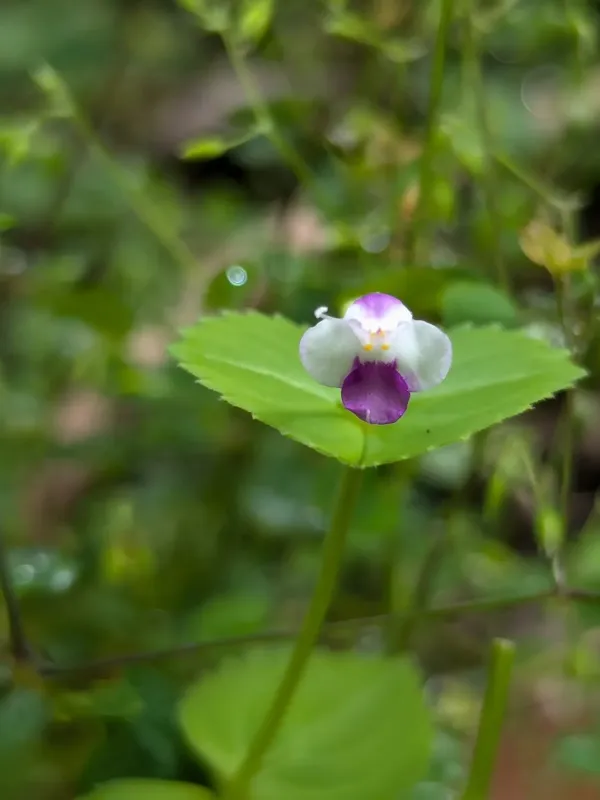
Description
Sowing dates
Sowing Craterostigma nummulariifolium is conducted primarily in controlled greenhouse environments to maintain precise humidity and temperature. The seeds are extremely tiny, requiring surface sowing on a sterile, fine-textured substrate without covering them with soil layers.
The optimal time for sowing is during early spring as day length increases. Utilizing bottom heat to keep the seed trays at a consistent temperature of 23–25 degrees Celsius significantly improves the germination rate and ensures uniform development of the seedlings.
Young seedlings require gentle misting to prevent physical damage and displacement in the substrate. Maintaining a high ambient humidity level during the first few weeks is crucial until the root systems are sufficiently established for stable water uptake.
Pricking out the seedlings into individual pots should be performed once the plants develop their first few true leaves. This spacing prevents overcrowding and encourages healthier root development by ensuring better air circulation within the root zone.
Acclimatization to lower humidity levels should be done gradually to avoid plant stress. Once the plants have hardened off, they demonstrate greater resilience to fluctuations in environmental conditions, which is typical for this genus.
Growing requirements
Craterostigma nummulariifolium belongs to the Linderniaceae family and is well-known for its extraordinary ability to survive severe desiccation. Native to tropical regions, this plant grows in rocky crevices and ephemeral environments where water availability is highly irregular.
Cultivation requires a growing medium that offers excellent drainage, typically composed of peat, coarse sand, and perlite. A rocky, well-aerated soil structure is vital to mimic the plant's natural habitat and prevent the lethal accumulation of moisture around the roots.
Temperature requirements for vegetative growth range from 22 to 28 degrees Celsius. The plant benefits from a diurnal temperature drop, which supports natural physiological cycles and prevents metabolic exhaustion in potted conditions.
Bright, indirect light is ideal for healthy foliage development. While the plant can tolerate various light levels, direct exposure to harsh midday sun should be avoided to prevent thermal damage to the succulent leaves.
Watering must follow a strict cycle: allow the substrate to dry out significantly between watering sessions. Overwatering is the most common cause of failure in cultivating this species, as it quickly leads to root rot and systemic collapse.
Main diseases and pests
Root rot caused by Oomycetes and other fungal pathogens is the most significant threat to Craterostigma. Maintaining a porous substrate and ensuring proper drying intervals are the most effective preventive measures against these diseases.
Spider mites represent the primary pest challenge, particularly in indoor environments with low humidity. Regular monitoring of the underside of the leaves and the use of miticides or targeted biological controls can keep infestations under control.
Mealybugs are another common nuisance, often hiding in the dense clusters of the leaf rosettes. Physical removal with cotton swabs soaked in alcohol is often the safest and most effective method for controlling minor infestations.
Fungal leaf spotting can occur if there is insufficient airflow around the plants. Providing good ventilation or using small circulating fans in the cultivation area will help keep the foliage dry and prevent the spread of spores.
Nutrient toxicity, resulting from high fertilizer concentrations, can lead to stunted growth. It is essential to use a diluted, balanced fertilizer applied sparingly during the active growth phase to maintain plant health without risking chemical damage.