
Crassocephalum rubens
Crassocephalum rubens
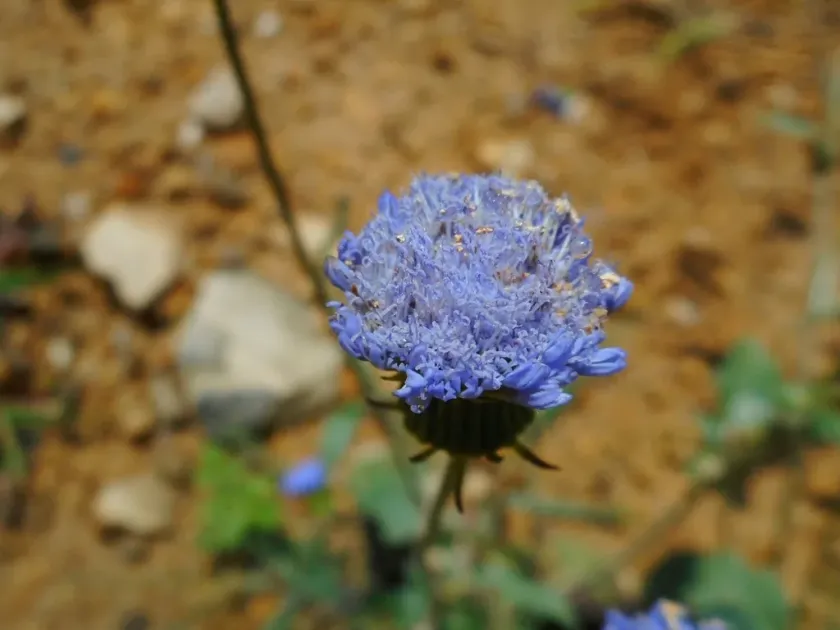
Description
Sowing dates
Crassocephalum rubens is a fast-growing tropical crop that thrives in warm, humid conditions. Sowing is best carried out when temperatures consistently remain above +20°C.
The seeds are extremely small and should be sown on the surface of well-prepared, fine-textured soil. They require light to germinate effectively, so minimal covering with a fine substrate is recommended.
For commercial production, trays are often used to raise seedlings before transplanting them into the field, which helps to optimize plant spacing and ensure uniform growth.
Regular irrigation is essential immediately after sowing, as the seeds and young seedlings are highly sensitive to desiccation in the early development phase.
Successive sowings every 3–4 weeks will ensure a continuous supply of young, tender leaves for harvest throughout the favorable growing season.
Growing requirements
This crop prefers fertile, well-draining soils rich in organic matter. A slightly acidic to neutral pH (5.5–7.0) provides the ideal environment for nutrient uptake.
Consistent soil moisture is critical; however, the plant does not tolerate waterlogged conditions, which can lead to root rot and other fungal pathogens.
The plant thrives in full sun but can tolerate partial shade in hotter climates, which helps prevent premature bolting and maintains leaf tenderness.
Nitrogen-rich fertilizers are beneficial for promoting leafy growth. It is advisable to apply nutrients in small, frequent doses rather than one large application.
- Climate: Warm, frost-free environments.
- Soil: Loamy, nutrient-dense, and well-aerated.
- Water: Frequent, moderate watering is required.
- Spacing: 20–25 cm between plants for maximum yield.
Yield
Crassocephalum rubens is a high-yielding leafy vegetable. With proper management, it can produce multiple harvests of succulent leaves and stems from a single planting cycle.
The first harvest can typically begin 4–6 weeks after sowing. Selective harvesting of outer leaves allows the central growing point to continue producing fresh growth.
Total yield depends on the fertility of the soil and the frequency of harvests. Under optimal tropical conditions, it can provide significant biomass throughout the year.
The plant is highly valued for its medicinal and nutritional properties, serving as a staple leafy vegetable in many regions of West and Central Africa.
Quality control is vital; leaves should be harvested while they are young and before the plant initiates its reproductive (flowering) phase, as this makes the leaves bitter.
Main diseases and pests
Aphids represent the most significant pest pressure, especially during the dry season or in protected environments, where they can rapidly multiply on young shoots.
Fungal diseases like powdery mildew may occur in high-humidity conditions or areas with poor air circulation, manifesting as white patches on the leaves.
Root-knot nematodes can be a problem in sandy soils, hindering nutrient uptake and causing stunted growth in older plant stands.
General hygiene, such as removing crop residues and avoiding overhead irrigation in the late afternoon, is essential to minimize the risk of disease spread.
Using resistant cultivars and rotating crops with non-Asteraceae species are recommended strategies for long-term field health management.
Harvesting
Harvesting is best performed in the cool hours of the morning to preserve the crispness and hydration level of the leaves for the supply chain.
The stems can be cut back to just above the ground level or the side branches can be pinched off, depending on the desired market presentation and yield goals.
Because the leaves have a high respiration rate, they should be cooled immediately after harvest to prevent wilting and degradation of quality.
Packaging in ventilated containers or film helps maintain a controlled microclimate, extending shelf life for a few days under refrigerated conditions (+4°C).
If the crop is allowed to flower for seed production, the mature flower heads should be harvested once the pappus (white hairs) begins to show, then dried and cleaned.