
Nance
Byrsonima crassifolia (L.) Kunth
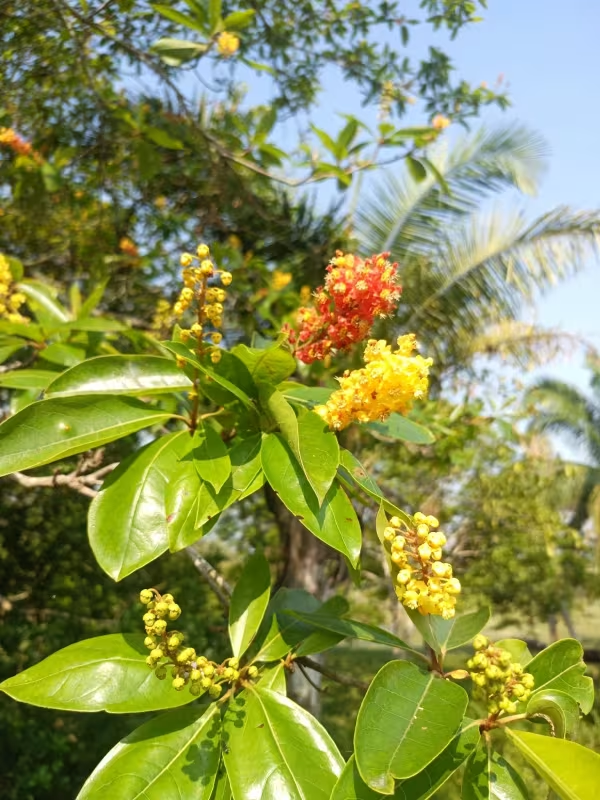
Description
Sowing dates
Propagating Nance is primarily achieved through seeds, which should be cleaned of pulp and dried before sowing. Because the seed coat is notably hard, scarification or soaking in water for several days is recommended to improve germination rates.
Seeds should be planted in a well-draining potting medium in nursery trays. A warm, humid environment with temperatures averaging around 27 degrees Celsius is essential for successful germination, which can take several weeks or even months.
Seedlings are ready for transplanting into the field once they reach a height of 25 to 40 centimeters. It is crucial to handle the root ball carefully during transplanting to minimize shock and ensure rapid establishment in the soil.
For commercial orchards, vegetative propagation methods like budding or grafting are preferred. These methods ensure that the offspring possess the same high-quality fruit characteristics as the parent tree and significantly reduce the time to reach maturity.
Spacing for Nance trees in a plantation should ideally be between 6 and 8 meters. This density allows for optimal light penetration throughout the orchard canopy and provides enough space for mature tree root systems to develop without severe competition.
Growing requirements
Nance, or Byrsonima crassifolia, is a resilient evergreen tree belonging to the Malpighiaceae family. It is native to tropical America and thrives in regions characterized by distinct dry and wet seasons, which stimulate its natural growth cycles.
The tree is highly adaptable regarding soil quality, capable of growing in nutrient-poor or acidic soils where other fruit trees might fail. However, for maximum productivity, deep, well-draining, and slightly acidic soils are considered optimal.
Nance requires a tropical climate with ample sunlight to support healthy growth and fruit production. It is highly sensitive to frost, which limits its commercial cultivation to frost-free regions near the equator.
Water requirements are moderate; the tree is notably drought-tolerant, which makes it suitable for areas with prolonged dry periods. Nonetheless, a steady moisture supply during the initial growth phase of the fruits is beneficial for size and quality.
This species is often found in savannas and open woodlands, showcasing its ability to survive in environments that undergo significant environmental stress. Its natural hardiness makes it a low-maintenance choice for sustainable agroforestry systems.
Yield
A mature Nance tree in a well-managed orchard can produce a substantial harvest, typically ranging from 30 to 50 kilograms of fruit per season. Yields are heavily dependent on the tree’s age, tree vigor, and environmental conditions during flowering.
The fruits are small, yellow-orange drupes known for their distinct, pungent aroma and unique flavor profile. They develop in clusters, which facilitates easier harvesting compared to fruit species that produce individual fruits scattered across the canopy.
Pruning is a critical management practice that directly influences yield. By thinning out the internal branches and maintaining a clean, open canopy, growers can improve light exposure and stimulate the development of more fruit-bearing wood.
Pollination success is a major factor in determining final yields. Since Nance is pollinated by various species of bees, maintaining a healthy population of native pollinators in or around the orchard is essential for optimal fruit set.
While yield is significant, it is subject to seasonal variation based on rainfall patterns. Excessive rains during the pollination period can negatively impact flower set, leading to lower fruit numbers at the end of the season.
Main diseases and pests
The Nance tree is relatively robust but remains susceptible to several pests and diseases common in tropical agriculture. Leaf spot diseases caused by various fungi can occur, especially if humidity levels remain consistently high for extended periods.
Scale insects and aphids are the most common pests that affect the tree. They tend to cluster on young stems and leaves, feeding on plant sap. These infestations can reduce overall tree vitality and lead to the development of sooty mold.
Root rot caused by poor soil drainage is a serious threat that can kill trees if not addressed early. Proper orchard site selection and ensuring effective runoff after rain are the best preventive measures against waterlogging.
Biological control methods are recommended for managing common insect pests. Encouraging natural predators, such as ladybirds and parasitic wasps, helps keep pest populations below the economic injury level without excessive chemical use.
Regular orchard monitoring is essential to catch signs of infestation or disease early. Removing and destroying infected branches or fruits can stop the spread of pathogens and prevent an outbreak from affecting the entire plantation.
Harvesting
Harvesting Nance requires a gentle touch as the fruits are quite delicate and prone to bruising once they reach full ripeness. They are typically harvested by hand when they turn a vibrant yellow color and develop a strong, sweet aroma.
The post-harvest shelf life of fresh Nance is very short, often lasting only a day or two without refrigeration. This rapid perishability necessitates immediate post-harvest handling, either by selling the produce locally or processing it into juice, jam, or liqueur.
Transporting Nance requires ventilated containers to avoid heat buildup, which rapidly accelerates fruit spoilage and fermentation. Keeping the fruit cool during transit can extend its shelf life by a few days.
Farmers often perform multiple pickings throughout the harvest season because the fruits do not ripen simultaneously on the tree. This staggered approach ensures that only the best-quality, ripe fruits are selected during each session.
Proper sorting post-harvest is crucial to separate high-quality fresh market fruit from those destined for processing. This ensures maximum value from every harvest and minimizes waste in the supply chain.