
Coussapoa asperifolia
Coussapoa asperifolia
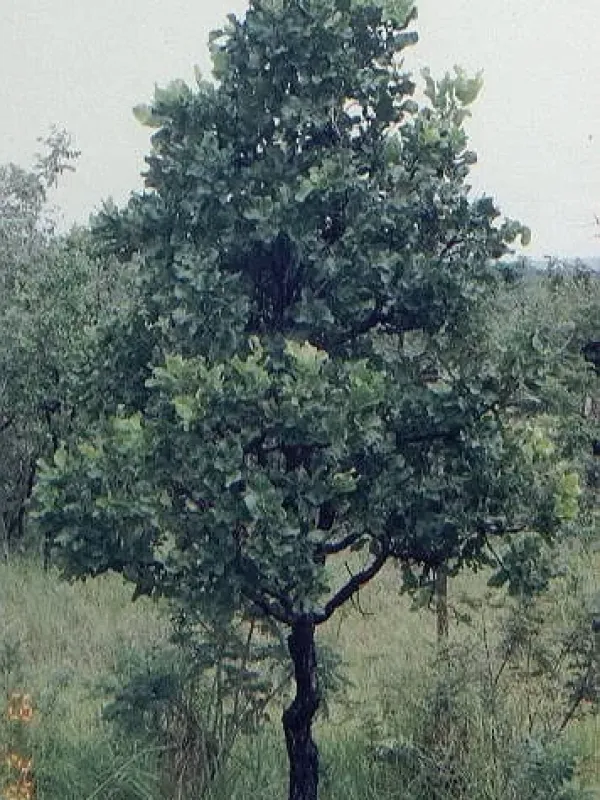
Description
Growing requirements
Coussapoa asperifolia is a tropical tree species belonging to the Urticaceae family, well-known for its unique growth patterns within the neotropical rainforests. Native to South America, it often begins its life as a hemiepiphyte, eventually developing into a robust tree that contributes significantly to the forest canopy.
The cultivation requirements for this species are strictly tied to tropical climatic conditions. It demands high annual precipitation and constant warm temperatures throughout the year. The soil must be nutrient-rich and well-draining, reflecting the natural forest floor conditions where organic matter decomposition is rapid.
From a botanical standpoint, the plant is distinguished by its leathery and noticeably rough-textured leaves, which serve as an effective defense mechanism against moisture loss and herbivory. Its root system is exceptionally efficient, allowing the tree to thrive even when competing with other vegetation for limited resources.
In terms of ecological and economic utility, the tree is highly valued as a food source for diverse wildlife, including avian and mammalian frugivores. While not a primary agricultural crop, the species is occasionally observed in forest restoration projects aimed at preserving the genetic diversity of the Amazonian basin.
Potential threats to Coussapoa asperifolia include large-scale deforestation and habitat fragmentation, which disrupt the natural balance of its ecosystem. The plant may be susceptible to specific tropical pests and fungal pathogens, particularly in areas where the forest integrity has been compromised by human activity.