
Couratari stellata
Couratari stellata
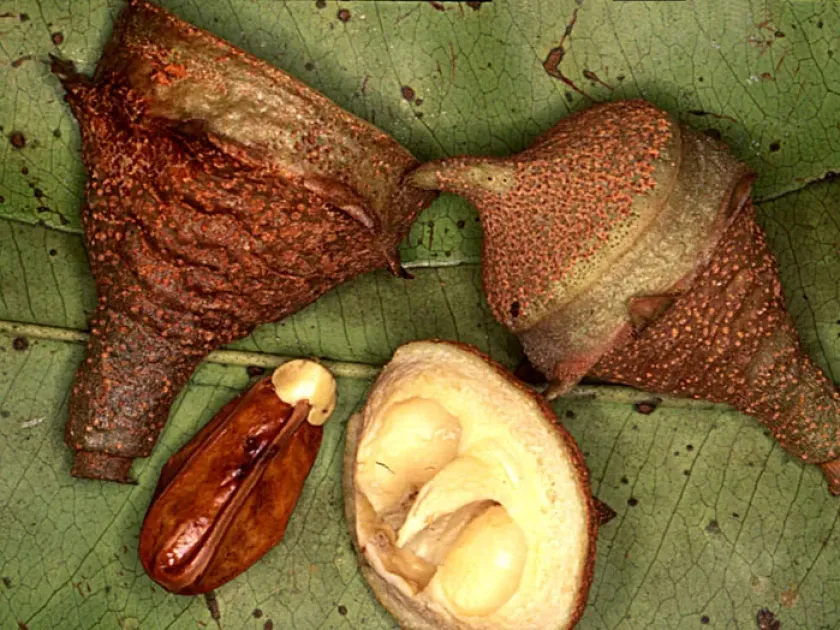
Description
Growing requirements
Couratari stellata belongs to the Lecythidaceae family, a group of trees primarily known for their stature and utility in the tropical rainforests of the Amazon basin.
This tree species requires deep, fertile, and well-drained soils to thrive. It performs poorly in waterlogged environments, making soil topography and drainage infrastructure essential for successful cultivation.
The climatic preferences include high humidity and temperatures consistently between 24 and 28 degrees Celsius. Protection from direct sunlight is crucial during the early stages of seedling growth.
Effective forest management practices involve canopy management, ensuring that as the tree matures, it receives increasing levels of solar radiation to maintain its metabolic rate.
The substrate should maintain a slightly acidic pH, consistent with tropical forest floor conditions, which supports the complex symbiotic relationships with local microbiota.
Yield
The primary economic output of Couratari stellata is its timber. The wood is highly regarded in the construction and furniture industries for its structural integrity and aesthetic appeal.
Productivity metrics focus on wood volume density over a rotational cycle. Proper silvicultural practices ensure the maximization of the timber growth rate.
The lumber is widely used in high-quality carpentry, decorative interior finishes, and the production of durable plywood for various architectural applications.
Sustainable harvesting protocols are mandatory to ensure the longevity of the resource. Integrating this species into managed agroforestry systems can provide long-term profitability.
Beyond timber, the bark of this species has historically been utilized for cordage, though modern industrial interests remain focused on its high-quality heartwood.
Main diseases and pests
Fungal pathogens represent the most significant threat to the root system, often triggered by poor site selection and subsequent hydrological stress.
Various wood-boring insects can infest the trunk, causing significant degradation in wood quality and reducing the value of the harvested timber during processing.
Defoliators can cause periodic damage to the canopy, particularly in plantations that lack sufficient biodiversity to support natural predatory insect populations.
Sanitation practices, such as the systematic removal of infested biomass, are essential to contain the spread of pests and diseases across the forest plantation.
Proactive monitoring programs help identify early symptoms of tree stress, allowing for targeted interventions before widespread infestations or infections occur.