
Couratari guianensis
Couratari guianensis
Description
Growing requirements
Couratari guianensis is an impressive tree species belonging to the Lecythidaceae family, native to the tropical rainforests of South America. It thrives in regions characterized by high temperatures and consistent rainfall throughout the year.
This species requires deep, fertile, and well-drained soils to reach its full potential. In its natural environment, it occupies the upper canopy, needing significant exposure to sunlight to sustain its rapid growth rate once the initial establishment phase is completed.
The tree is highly sensitive to soil compaction and waterlogging, which can severely restrict root development. Maintaining the integrity of the forest floor is crucial for the health of young seedlings, as they rely on the specific microclimate of the rainforest.
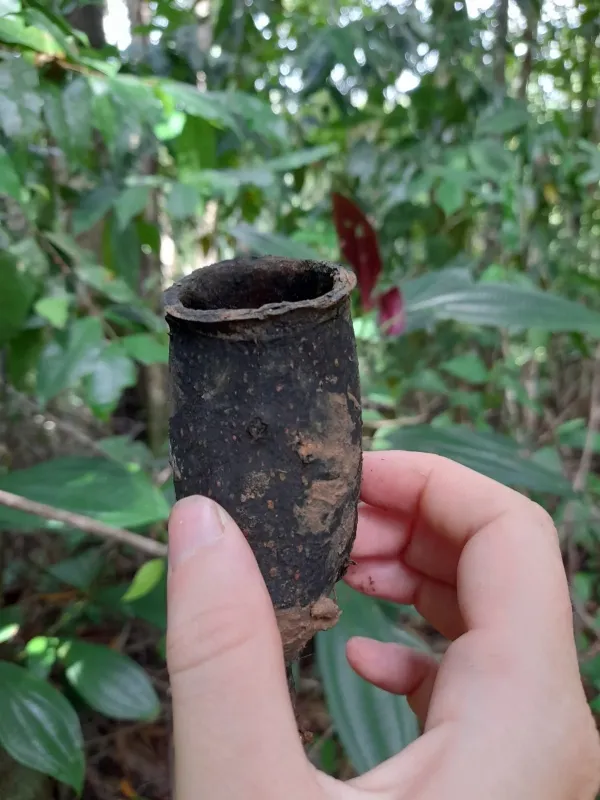
Botanically, the tree is noted for its woody, dehiscent fruits, which are typical of the Lecythidaceae family. The plant has a complex reproductive cycle that is closely linked to the local ecosystem and the presence of specific pollinators.
Cultivation of this species on a larger scale requires careful management of light and spacing. As a primary forest species, it is best suited for restoration projects and sustainable forestry efforts that aim to mimic natural successional dynamics.
Harvesting
The primary economic value of Couratari guianensis lies in its high-quality timber. The wood is widely appreciated for its strength, durability, and versatility, making it a valuable resource for the global construction and furniture industries.
In addition to structural timber, the species is known for its fibrous bark. Historically, the bast fibers of this tree were used for cordage and clothing, demonstrating the multifaceted utility of the plant throughout history.
Sustainable logging practices are essential when harvesting Couratari guianensis to ensure the longevity of the population. Proper selection of mature trees allows for effective regeneration while maintaining the health of the surrounding ecosystem.
The harvesting process involves modern techniques that prioritize efficiency and minimize waste. By maximizing the use of every part of the tree, foresters can increase the overall value and sustainability of their operations.
Ongoing research focuses on the properties of the wood to find new applications in composite materials and specialized construction. This scientific interest underscores the continuing importance of Couratari guianensis in tropical forest management.