
Corymborkis forcipigera
Corymborkis forcipigera
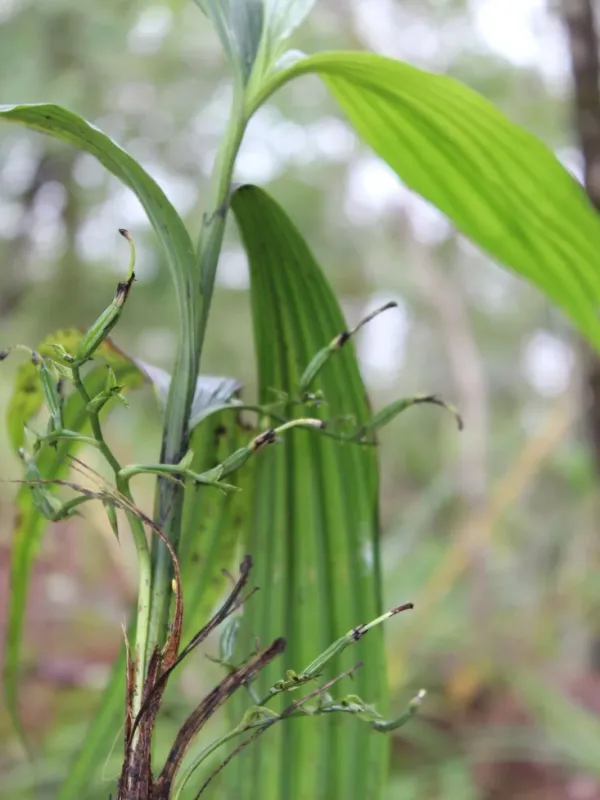
Description
Growing requirements
Corymborkis forcipigera is a terrestrial herbaceous perennial member of the Orchidaceae family. Unlike its more common epiphytic relatives, this species grows directly in the soil, developing elongated, cane-like stems that thrive in the nutrient-rich humus layers of tropical forests.
The native distribution covers various regions in the American tropics, specifically thriving in humid, shaded forest understories. Its successful cultivation depends on replicating these environmental parameters, with a focus on stable moisture and indirect light exposure throughout the vegetative season.
Soil requirements for this crop include a porous, moisture-retentive, and well-aerated medium. Gardeners often utilize a specialized mix containing sphagnum moss, perlite, and decomposed bark to ensure that the roots receive consistent oxygen while maintaining high relative humidity levels.
Climate control is crucial, as the species requires temperatures between 22°C and 28°C and protection from temperature fluctuations. Adequate air circulation within the growing area is essential to prevent the accumulation of stagnant air, which is detrimental to the plant's health and vigor.
While primarily cultivated in botanical collections, the species offers insights into the sustainable management of terrestrial orchids. Its role in specialized horticulture is significant for conservation efforts and the study of complex orchid growth cycles under controlled environmental conditions.
Main diseases and pests
The primary threats to Corymborkis forcipigera include fungal pathogens that thrive in waterlogged conditions. Excessive irrigation without adequate drainage often leads to root rot, which is the most common cause of crop loss in professional and home greenhouse settings.
Pests such as spider mites and mealybugs can pose a substantial challenge during dry periods. These insects feed on the plant's sap, significantly reducing the energy available for growth and flowering, and may cause severe tissue damage if populations are not managed promptly.
Viral infections are a concern, often transmitted through shared gardening equipment. Symptoms such as necrotic lesions or irregular foliage patterns indicate a systemic infection that usually necessitates the destruction of the affected plant to protect the rest of the collection.
Nutrient toxicity, resulting from high-concentration chemical fertilizers, can inhibit root development and cause leaf tips to burn. Maintaining a balanced, diluted fertilization program is essential to support healthy plant growth and prevent the accumulation of harmful salts in the root zone.
Environmental stress, particularly from insufficient humidity or extreme light intensity, weakens the plant's defensive mechanisms. By optimizing the microclimate, practitioners can greatly enhance the resilience of this species against the majority of common horticultural pests and pathogens.