
Coronopus
Coronopus
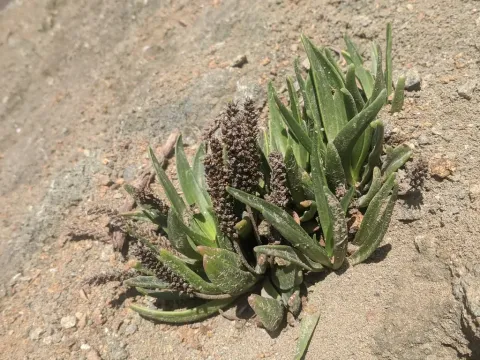
Coronopus is a genus of herbaceous plants belonging to the Brassicaceae family. These plants are widely known as invasive weeds, though they possess specific biological traits that allow them to thrive in harsh environments.
What the section contains

Coronopus
The species generally prefers temperate climates and is highly adaptive to various soil types, including compacted, nitrogen-rich, and heavy clay soils often found in agricultural field margins.
Botanically, Coronopus is characterized by prostrate stems and deeply pinnatisect leaves. A key diagnostic feature is the strong, pungent odor emitted when the plant tissue is crushed, which is typical for many crucifers.
Environmental requirements for the plant are minimal; it excels in well-lit areas and can tolerate significant soil disturbance, making it a persistent presence in pasturelands and crop fields.
Its root system is deep and efficient at extracting nutrients, ensuring survival even during dry spells. The plant reproduces through seeds that can remain dormant in the soil for several years.
Major pests affecting Coronopus include flea beetles, which can cause significant foliar damage to young plants in the spring, potentially reducing the vigor of the plant.
The plant is susceptible to fungal diseases such as downy mildew, which can spread rapidly under conditions of high humidity or poor field drainage.
In terms of agricultural management, the focus is on preventing seed set, as the plant spreads its seeds effectively through farm machinery and wind dispersal.
Integrated weed management, involving both mechanical cultivation and appropriate herbicide application, is required to maintain crop fields free from infestation.
Regular monitoring of field margins and fallow lands is essential to detect early Coronopus growth before it spreads into the primary crop production zones.