
Coronopus niloticus
Coronopus niloticus
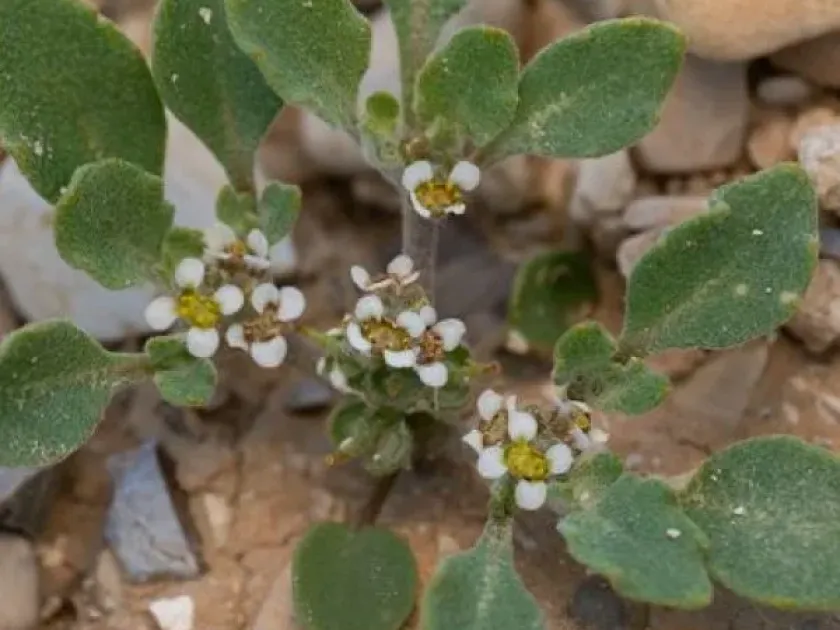
Description
Sowing dates
The successful cultivation of Coronopus niloticus depends significantly on the timing of seeding. It is essential to ensure that the soil has reached an adequate temperature for germination before planting begins in the early spring.
Seeding depth should be kept shallow, typically around 1–2 cm, as the small size of the seeds requires minimal coverage to prevent exhaustion of the seedling before emergence. Proper soil contact is vital for moisture uptake.
The spacing between rows should be determined by the expected size of the vegetative rosette. Adequate spacing ensures that each plant receives sufficient resources, which is critical for biomass development.
In regions with mild winters, autumn sowing can be a viable strategy. This allows the plant to take advantage of early spring moisture levels, leading to more uniform growth throughout the season.
Monitoring the soil moisture during the germination period is necessary to ensure success. If rainfall is insufficient, supplemental irrigation may be required to prevent the seeds from drying out.
Growing requirements
As a member of the Brassicaceae family, Coronopus niloticus thrives in well-drained, fertile soils. A neutral to slightly alkaline pH level is ideal for optimizing nutrient availability for the plant.
The crop is highly sensitive to waterlogging. Sites must have an effective drainage system to avoid the stagnation of water, which can quickly lead to root decay and overall plant stress.
Sunlight exposure is a major factor in the health and productivity of the plant. A fully open area with no shade from trees or buildings is recommended to ensure the plant can reach its full growth potential.
Soil structure should be friable and loose. Compaction can impede the development of the root system, which in turn reduces the ability of the plant to uptake nutrients and water efficiently.
- Well-drained sandy loam or loamy soil
- Full sun exposure
- Adequate levels of organic matter
- Regular monitoring of soil moisture
Yield
Yield estimation for Coronopus niloticus is based on the management of soil nutrients and the timing of the harvest. Properly nourished plants tend to produce a more robust and uniform vegetative biomass.
The optimal time for harvesting is generally before the plant enters the reproductive phase. Harvesting too late can result in woody tissues and a decrease in the overall nutritional quality of the crop.
Multiple cuttings per season are possible under optimal conditions. To sustain such production, fertilization programs must account for the nutrients removed with each harvest to maintain soil fertility.
Efficiency is achieved by maintaining a clean field environment, free from competing weeds. Weeds can easily outgrow the crop in the early stages, significantly reducing the final yield per unit of land.
Yield variations are often tied to local climate adaptability. Growers should evaluate site-specific performance over several seasons to refine their management practices for the highest return.
Main diseases and pests
Cabbage flea beetles represent a primary threat to Coronopus niloticus, especially during the seedling stage. These pests can rapidly defoliate young plants, necessitating careful scouting during the early growth period.
Fungal diseases, including downy mildew and various root rots, can become problematic when high humidity levels persist. Preventive measures, such as proper spacing and field sanitation, are essential for management.
Implementing an integrated pest management (IPM) approach is recommended. This involves utilizing natural predators, crop rotation, and cultural practices rather than relying solely on chemical treatments.
Crop rotation is perhaps the most effective way to prevent the buildup of soil-borne pathogens. Moving the production site every 3–4 years helps maintain soil health and reduces the pressure from family-specific diseases.
Regular visual inspections are the best tool for detecting infestations early. Prompt intervention minimizes the spread of pests and diseases across the field, protecting the crop from potential damage.