
Beauveria bassiana
Cordyceps bassiana
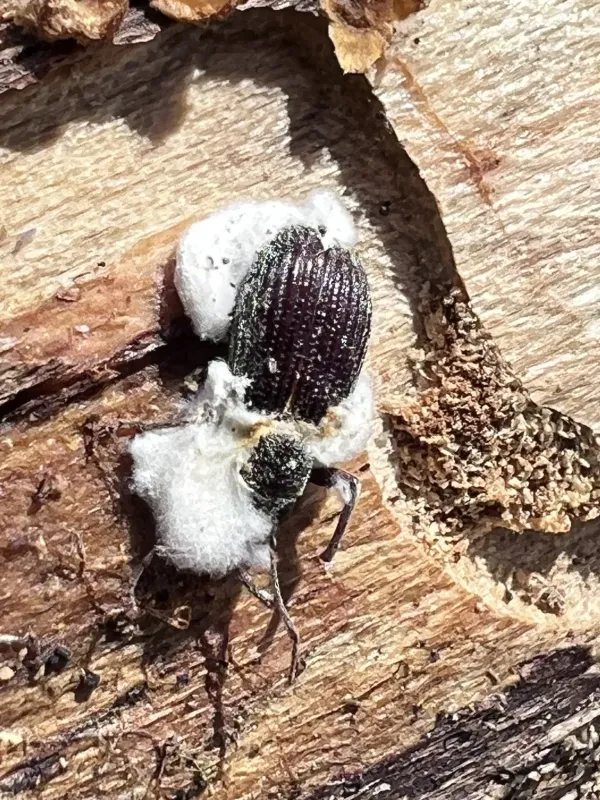
Description
Sowing dates
The application of Beauveria bassiana, formerly classified under Cordyceps bassiana, depends on the pest lifecycle. It is essential to apply the product during the early stages of pest development to maximize infection rates.
Application is most effective during spring and summer when temperatures range between 18 and 25 degrees Celsius. Treatments should be scheduled for early mornings or late evenings to protect the conidia from harmful ultraviolet radiation.
For field crops, the fungus is applied via sprayers on plant foliage or directly into the soil before planting. This creates a protective barrier that targets soil-dwelling insects like larvae, preventing them from damaging root systems.
High-quality application equipment with fine-mist nozzles is necessary to ensure thorough coverage of the plant surface. Adjuvants are frequently added to the tank mix to improve adhesion to the insect's cuticle.
Regular reapplications, typically every 10 to 14 days, are recommended during periods of peak pest activity to ensure that the active fungal population remains high enough to control the infestation effectively.
Growing requirements
Beauveria bassiana is a specialized entomopathogenic fungus from the family Cordycipitaceae. Its effectiveness is highly dependent on environmental factors, requiring specific conditions for optimal growth and infection.
Humidity is the most critical requirement for the successful germination of fungal spores. A relative humidity of at least 60 to 80 percent is necessary for the fungus to penetrate the insect host's exoskeleton efficiently.
Soil quality, including organic matter content and a neutral pH, supports the survival of the fungus between applications. Aeration is equally important, as the fungus is aerobic and requires oxygen for its metabolic processes.
Temperature management is key; the fungus performs best between 20 and 30 degrees Celsius. Exposure to temperatures exceeding 35 degrees can significantly inhibit growth and shorten the lifespan of the conidia.
Integration with other agrochemicals requires caution. The application of chemical fungicides must be avoided for at least a week before and after using Beauveria bassiana to prevent the destruction of the beneficial fungal spores.
Yield
Using Beauveria bassiana contributes to higher yields by reducing the insect pressure that typically stunts plant growth and reduces fruit quality. By managing pest populations, crops can allocate more energy to fruit development.
In protected greenhouse environments, the fungus effectively controls pests like whiteflies and thrips, leading to a noticeable increase in marketable produce weight in vegetable crops such as tomatoes and peppers.
The long-term impact on yield is positive because the fungus can spread horizontally through the pest population, maintaining control over time. This reduces the need for frequent, labor-intensive interventions.
Produce treated with Beauveria bassiana is free from synthetic pesticide residues, which allows producers to target high-value organic markets and receive better pricing for their harvest.
Consistent yield improvement is achieved through proactive monitoring and integrating the fungus into a broader Integrated Pest Management (IPM) program alongside other beneficial organisms.
Main diseases and pests
The primary threat to Beauveria bassiana is the use of broad-spectrum synthetic fungicides. These chemicals can eliminate the fungal population on treated crops, rendering the biological intervention useless.
Extreme environmental conditions, particularly low humidity and intense sunlight, represent major hurdles. UV light degrades fungal conidia rapidly, and dry weather prevents the necessary infection of the insect cuticle.
Competition from other indigenous soil microorganisms can also slow the establishment of Beauveria bassiana. High initial concentrations of the biological product are necessary to overcome these natural competitors.
Although rare, some insect populations may develop a level of resistance to specific fungal strains. Agricultural managers should rotate different biological control agents to maintain overall system effectiveness.
Finally, improper storage of the biopesticide—such as exposure to heat or moisture before use—can destroy the spores, leading to poor field results even when the application procedure is followed correctly.