
Corallina officinalis
Corallina officinalis
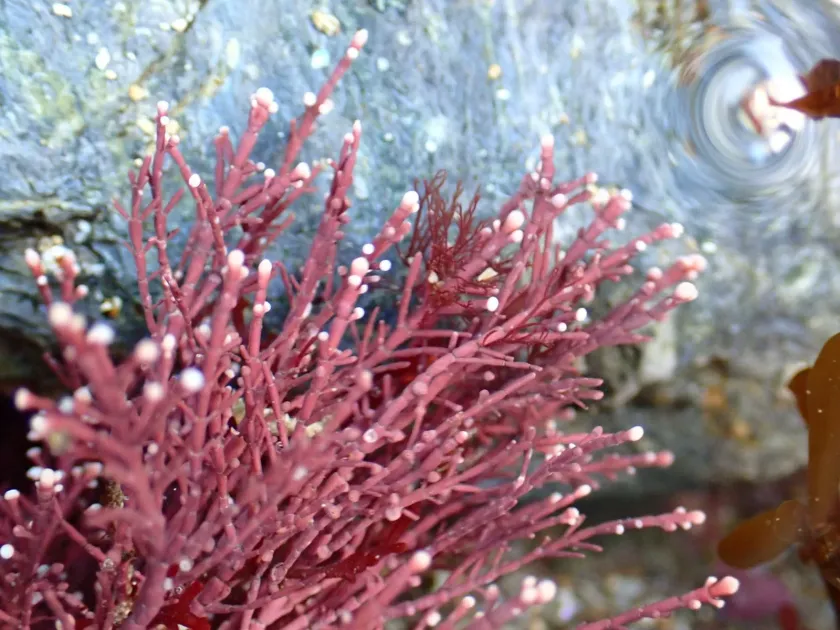
Description
Growing requirements
Corallina officinalis is a red alga species belonging to the Corallinaceae family. It is a highly specialized marine organism known for its ability to calcify, which gives it a rigid, coral-like structure suitable for survival in high-energy intertidal zones.
This species naturally inhabits rocky substrates in shallow coastal waters. Its global distribution spans across temperate and cold regions of the Atlantic, Mediterranean, and parts of the Pacific, where it thrives in sunlight-rich environments.
Botanically, the plant features a branched, segmented thallus that is heavily impregnated with calcium carbonate. This mineral composition serves as both a structural defense against herbivores and a buffer against physical damage from strong waves and currents.
Regarding environmental conditions, this alga requires clear, well-oxygenated marine water with stable salinity levels. It is highly dependent on light penetration for photosynthesis and sensitive to drastic fluctuations in water quality and temperature.
The industrial and commercial application of Corallina officinalis is centered on its mineral-rich properties. It is harvested to extract natural calcium and trace elements used in the formulation of high-quality cosmetics, dermatological preparations, and nutritional supplements.
Main diseases and pests
The primary threat to Corallina officinalis populations is ocean acidification, which interferes with the calcification process. Reduced pH levels directly threaten the plant's structural integrity, causing it to become brittle and prone to dissolution.
Water pollution, including agricultural runoff and heavy metal discharge, poses a significant risk. These contaminants can accumulate in the thallus, rendering the alga unsuitable for human use and harming the health of the entire local marine ecosystem.
Herbivory by sea urchins and gastropods is a natural factor that, if left unbalanced by predators, can lead to the overgrazing of algae colonies. This can result in significant reduction of coverage in native habitats.
Biological threats also include fungal and bacterial infections that flourish when the plant is stressed by rising water temperatures. These pathogens degrade the cell walls and can lead to rapid decay of entire colonies if the local water circulation is poor.
To ensure sustainable use, harvesting programs must be strictly regulated. Ongoing research focuses on assessing the health of wild stocks to prevent over-extraction and ensure that the delicate balance of the intertidal ecosystem is maintained for future generations.