
Comolia villosa
Comolia villosa
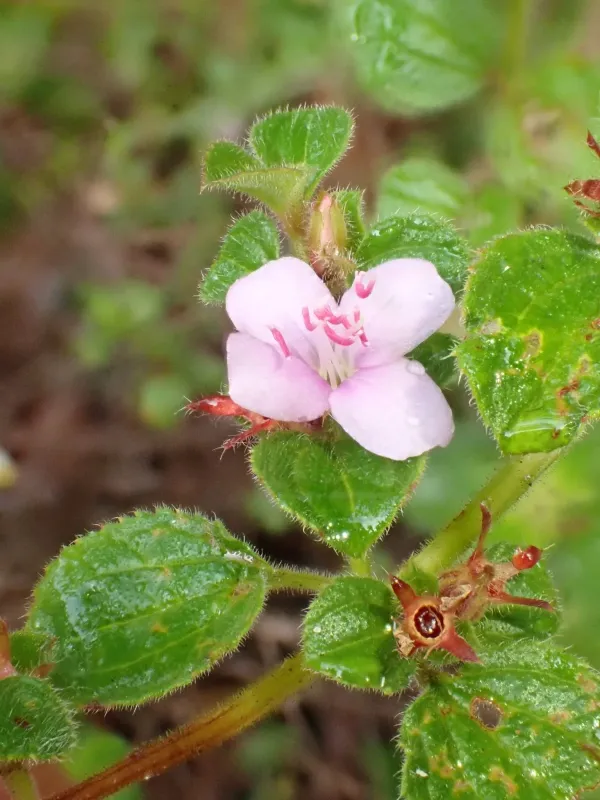
Description
Growing requirements
Comolia villosa is a distinctive species within the Melastomataceae family. Native to the tropical regions of South America, this plant is well-adapted to humid environments that receive consistent light throughout the year.
The botanical structure of the plant features fine hairs on its stems and leaves, providing a unique texture and serving as an adaptation to its natural habitat. It typically grows as a small, bushy perennial that maintains its ornamental appeal through foliage and flowering.
Optimal growth requires a stable climate, ideally maintained between 20°C and 28°C. Being a tropical species, it is sensitive to thermal stress, meaning that temperature fluctuations should be minimized to encourage healthy vegetative growth.
Regarding soil, Comolia villosa prefers well-drained, slightly acidic media. It is essential to prevent waterlogging, as the root system is highly susceptible to decay if kept in stagnant, wet soil conditions for extended periods.
In terms of usage, this plant is primarily cultivated in conservatories and botanical collections. Its aesthetic value makes it a subject of interest for specialized horticulture, particularly where tropical biodiversity is maintained for research or display.
Main diseases and pests
The primary threats to the health of the plant include root rot caused by overwatering and poor soil aeration. Implementing a rigorous watering schedule and ensuring that the substrate provides excellent drainage is vital for long-term survival.
Pest issues usually involve spider mites and mealybugs, which thrive in protected tropical environments. Regular inspections of the foliage are recommended, followed by the application of appropriate acaricides or insecticides when pest populations are identified.