
Rough horsetail
Equisetum hyemale L.
Description
Growing requirements
Rough horsetail (Equisetum hyemale L.) belongs to the family Equisetaceae. It is an evergreen perennial plant native to the Northern Hemisphere, often found growing in moist woods, riverbanks, and marshy areas.
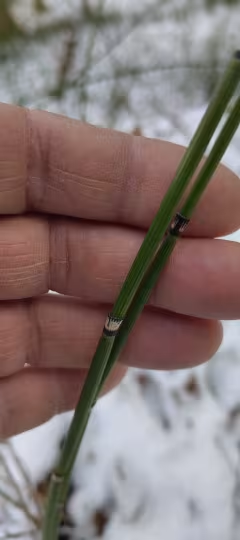
This species is highly valued for its striking, architectural appearance. The stems are hollow, jointed, and rich in silica, which makes them remarkably rigid and gives them a distinct, polished texture throughout the winter season.
When cultivating this plant, providing the right soil moisture is essential. It thrives in damp, well-draining soils with a neutral to slightly acidic pH. While it tolerates various light conditions, it performs best in full sun or light shade.
The agronomic management of Equisetum hyemale requires careful site selection. Due to its vigorous, rhizomatous growth habit, it is recommended to plant it in contained areas or use root barriers to prevent the plant from spreading uncontrollably into surrounding landscapes.
Maintenance involves minimal effort once the plants are established. They are highly winter-hardy and remain green through harsh weather, provided that the soil does not freeze completely dry or suffer from prolonged drought during the growing season.
Main diseases and pests
Rough horsetail is remarkably resistant to most agricultural pests. The high silica content in its stems acts as a natural deterrent, making the plant unappealing to many common leaf-eating insects and mammals.
Disease pressure is generally low, but poor drainage can lead to root rot. Ensuring that the site allows for adequate water movement is the most effective way to prevent fungal infections related to waterlogged soil.
Invasive weeds can be a problem during the initial stage of planting. Frequent weeding is necessary until the horsetail establishes a dense colony, which will eventually outcompete most other plants in the immediate vicinity.
Mechanical damage to the stems should be monitored periodically. Removing broken or unsightly stalks in the early spring encourages the production of new, vibrant green growth and maintains the aesthetic quality of the patch.
Overall, the plant is considered a low-maintenance, robust species. Its ability to thrive in poor soils and resist typical gardening pests makes it an excellent choice for ornamental and specialized cultivation projects.