
Northern bastard toadflax
Comandra livida
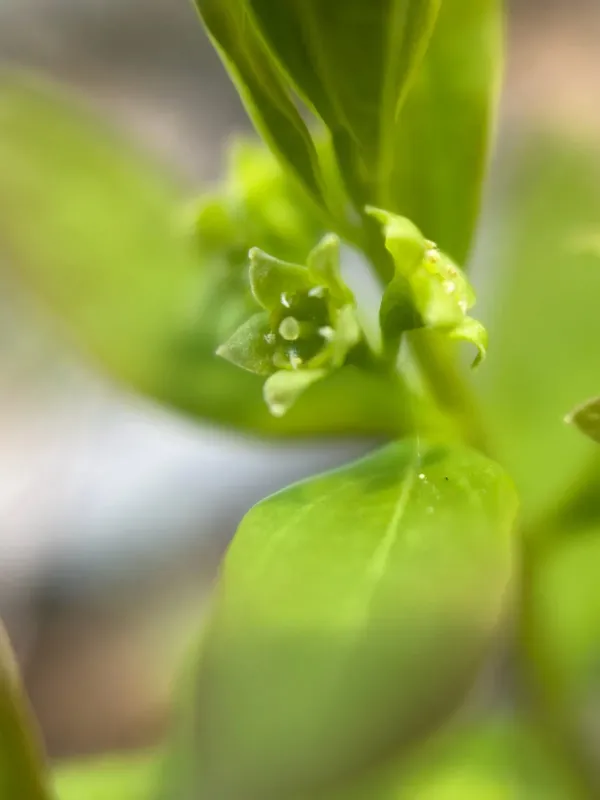
Description
Growing requirements
Comandra livida, commonly known as the Northern bastard toadflax, is a perennial herb belonging to the Santalaceae family. This species is recognized for its hemiparasitic nature, meaning it can photosynthesize independently while supplementing its nutrition through root connections with host plants.
Botanically, the plant features creeping stems and distinct, slightly glaucous leaves. Its root system is equipped with specialized organs called haustoria, which allow it to penetrate the root tissue of nearby shrubs or herbs to extract water and essential minerals from the host.
The native range of this species extends across high-latitude regions of North America and Eurasia. It is typically found in cold, moist environments, such as boreal forests, peat bogs, and tundra edges, where the presence of suitable host plants is consistent.
Regarding environmental requirements, Comandra livida demands acidic soils with good drainage and constant moisture. It is highly adapted to short, cool growing seasons, showing significant resilience to frost and cold-stress conditions typical of northern latitudes.
While not cultivated as a traditional agricultural crop due to its biological dependency on hosts, the plant holds value in ecological restoration and botanical research. Understanding its interaction with various host species provides crucial insights into forest ecology and the stability of fragile northern plant communities.