
Columnea hirta
Columnea hirta Klotzsch et Hanst
Description
Growing requirements
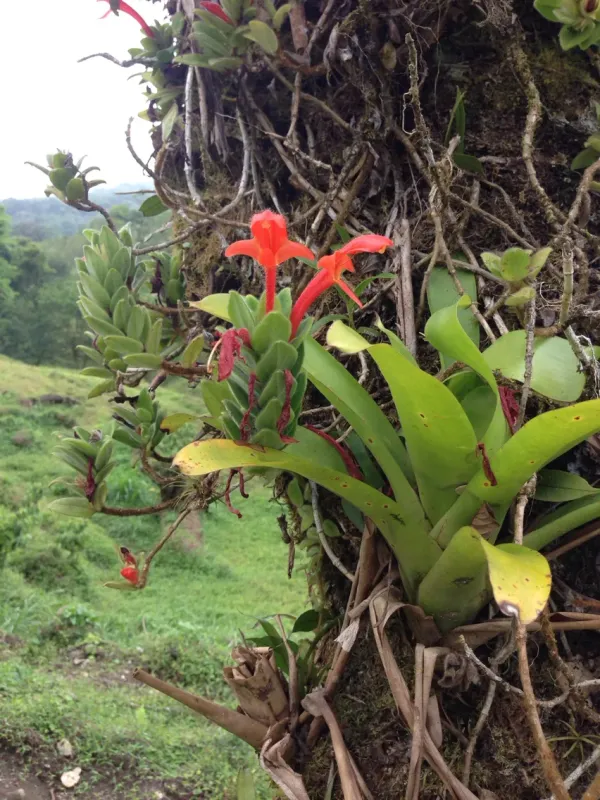
Columnea hirta is a striking flowering epiphyte belonging to the Gesneriaceae family. Originating from the humid, tropical forests of Central America, this species is highly valued in horticulture for its cascading stems covered in fine, hair-like trichomes.
The plant thrives in warm environments with temperatures ranging between +20°C and +26°C. It is intolerant of cold drafts and requires protection from temperature fluctuations, which can cause leaf drop and prevent flower bud formation.
A well-draining, airy substrate is essential for healthy root development. A mixture consisting of peat moss, perlite, and shredded pine bark allows for the necessary oxygen exchange, mimicking the natural epiphytic growing conditions.
High humidity, ideally above 70%, is mandatory for keeping the foliage lush. If the air in the room becomes too dry, the plant may suffer from leaf tip browning and a significant decline in overall vigor.
Bright, indirect light is necessary for successful cultivation. While the plant can survive in lower light, it needs strong filtered sunlight to produce its signature vibrant flowers. Direct mid-day sun should be avoided to prevent foliar scorching.
Main diseases and pests
Spider mites are the most common pest found on Columnea hirta. They thrive in dry conditions and can cause significant damage to the plant by piercing the foliage, leading to yellowing, stippling, and eventual death of the affected leaves.
Mealybugs are another persistent threat, often found hidden in the dense hairs along the stems and at the leaf junctions. Their presence can stunt growth and invite sooty mold, which detracts from the plant's aesthetic appeal.
Root rot is the primary physiological disease associated with poor irrigation management. Constant soil saturation prevents the roots from breathing and creates a breeding ground for opportunistic soil-borne pathogens and fungi.
Fungal leaf spot can occur if water remains trapped on the foliage for extended periods in stagnant air conditions. Improving air circulation around the plant is the best preventative measure against these infections.
Effective management includes regular inspection of the stems and leaf undersides. When infestations occur, systemic insecticides or horticultural oils should be used according to the manufacturer’s guidelines to ensure plant safety.