
Codonorhiza elandsmontana
Codonorhiza elandsmontana
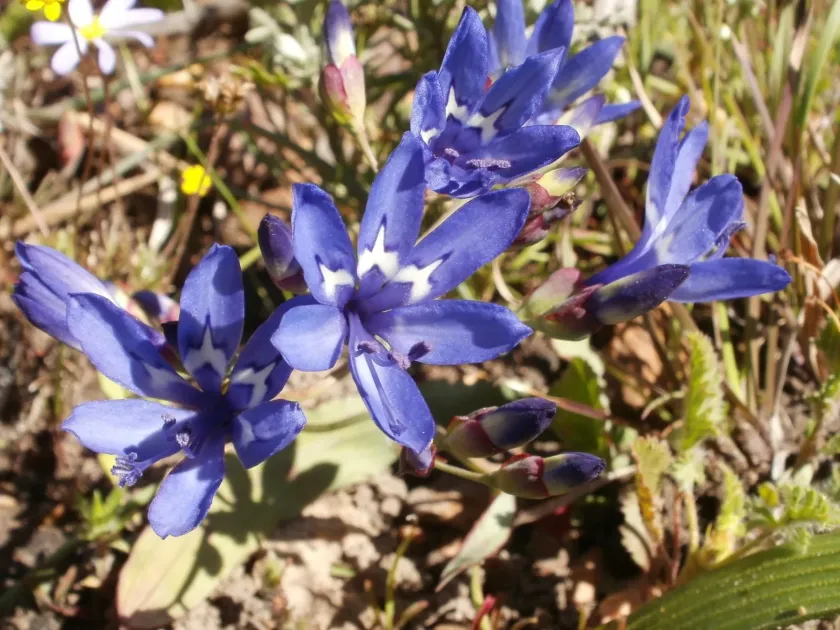
Description
Growing requirements
Codonorhiza elandsmontana is a rare cormous perennial plant belonging to the Iridaceae family. This species is highly specialized and is recognized as an endemic to specific areas within the Western Cape province of South Africa, where it inhabits unique seasonal wetland environments.
The plant has evolved to thrive in its native habitat, which is characterized by a Mediterranean climate. This environment forces the plant to complete its vegetative and reproductive cycles during the cool, wet winter months, ensuring that the critical growth phases are finished before the onset of the arid summer season.
Botanically, it is classified by its corm structure, which serves as a vital energy reservoir. This anatomical feature is essential for surviving the hot, dry summers when the above-ground foliage disappears entirely. The leaves are typically narrow and grass-like, optimized for photosynthesis under high-intensity light conditions.
Regarding soil requirements, the species necessitates well-draining substrates that mimic its natural stony or sandy clay habitats. Excess moisture during the dormancy period is the primary factor that threatens the survival of the corms, making effective drainage the most critical aspect of site selection.
Cultivation of this species requires strict adherence to seasonal cycles. Maintaining proper temperature gradients and humidity levels is essential, as the plant is highly sensitive to ecological disturbances. Efforts are primarily directed toward the conservation of its remaining habitats rather than commercial cultivation.