
Codonorhiza corymbosa
Codonorhiza corymbosa
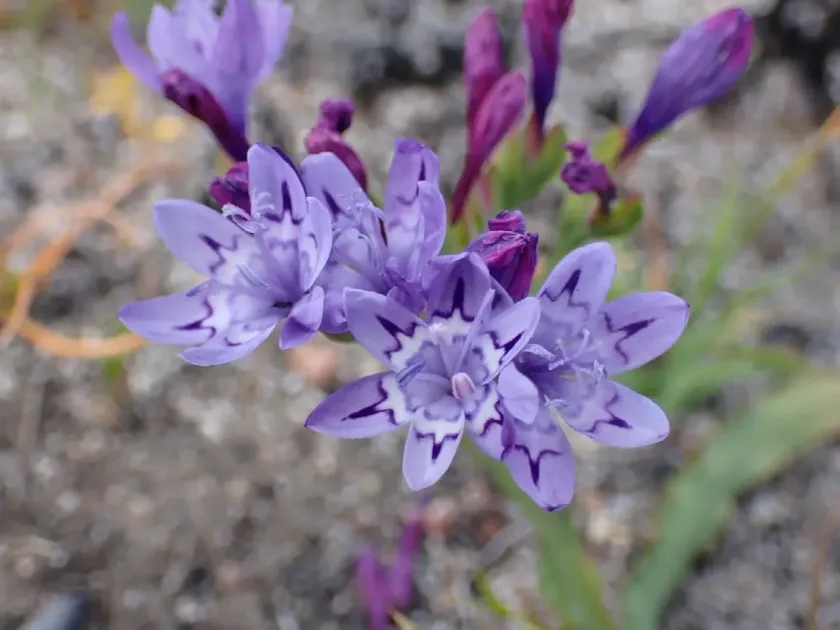
Description
Sowing dates
Planting of the corms typically occurs in autumn, which corresponds with the start of the plant's natural growth cycle. This allows for root system development before the arrival of winter weather.
Corms should be planted at a depth of 5-8 centimeters, depending on the size of the bulb and soil texture. In very loose, sandy substrates, a slightly deeper planting can provide better temperature regulation.
For container gardening, providing a robust drainage layer at the bottom of the pot is non-negotiable. Using perlite or coarse sand in the soil mix further enhances breathability and prevents water accumulation.
Adequate spacing, typically around 10-15 centimeters, ensures that each plant receives sufficient resources and air circulation. Crowded planting significantly increases the risk of foliar diseases during humid weather.
If planting in spring, ensure the soil is consistently moist until the foliage is well-established, as the plant will be in a rush to complete its cycle before the onset of summer heat.
Growing requirements
Codonorhiza corymbosa belongs to the Iridaceae family and is native to the diverse landscapes of South Africa. As a cormous plant, it has adapted to Mediterranean-style climates, characterized by wet winters and dry, warm summer dormancy periods.
The plant requires well-drained, sandy, or gritty soil to thrive. Proper soil structure is essential to mimic its natural habitat and ensure that water does not remain around the corm, which would lead to rapid decay.
Sunlight is a fundamental requirement for Codonorhiza corymbosa. It demands full sun exposure to promote vigorous growth and healthy flower production. In shaded conditions, the stems become weak, and the plant fails to reach its full aesthetic potential.
Temperature management is critical, especially for dormant corms. They prefer warm, dry conditions during their rest phase, while active growth requires moderate temperatures without extreme heat stress or deep frost exposure.
Watering frequency should be moderate during the growing season. The grower must ensure that the growing medium remains moist but never waterlogged, as excessive soil moisture is the primary cause of root rot in this species.
Main diseases and pests
Root rot, often caused by fungal pathogens such as Fusarium, remains the most significant threat to Codonorhiza corymbosa. It is almost always a result of poor drainage or overwatering during the dormancy period.
Pests like spider mites and thrips can cause considerable damage to the foliage and flower buds. These insects weaken the plant by feeding on its sap, which often leads to the stunted growth of the entire floral stalk.
Preventive fungicide treatments for corms before planting can significantly reduce the risk of soil-borne infections. This is a standard procedure for maintaining the health of bulbous plants in intensive garden settings.
Monitoring for signs of infestation is crucial. Once detected, pests should be addressed with appropriate insecticides or botanical oils, ensuring that the application does not harm the sensitive tissues of the plant.
Good cultural practices, including sanitizing garden tools and avoiding high-density plantings, help minimize the spread of diseases and keep the population healthy throughout the growing season.
Harvesting
Harvesting or lifting of the corms should only be performed once the foliage has completely withered and turned brown. This signals that the plant has successfully moved its nutrients back into the corm for storage.
After lifting, the corms should be gently cleaned of loose soil and allowed to air-dry in a cool, shaded, and well-ventilated location. Rapid drying under direct sun should be avoided to prevent tissue damage.
Corms should be stored in breathable mesh bags or cardboard boxes. Storing in airtight containers will inevitably result in mold development and the destruction of the valuable planting material.
Storage temperatures should remain stable throughout the resting period, ideally between 15 and 20 degrees Celsius. Excessive heat during storage may trigger premature growth, depleting the energy reserves of the corm.
Regular checks during storage are necessary to remove any shriveled or diseased corms. This ensures that only high-quality material is available for the next planting cycle, maintaining the vigor of the garden collection.