
Codariocalyx gyroides
Codariocalyx gyroides
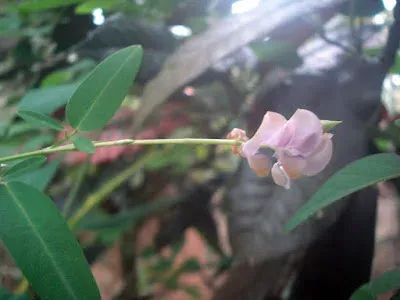
Description
Growing requirements
Codariocalyx gyroides is a perennial shrub belonging to the Fabaceae family. This species is widely recognized for its high capacity for biological nitrogen fixation, making it an essential crop for soil improvement and sustainable agricultural systems in tropical regions.
Originating from Southeast Asia, the plant thrives in diverse environments but prefers well-drained, acidic to neutral soils. It is particularly noted for its ability to grow on degraded lands, contributing to ecosystem restoration through its dense root architecture.
The climate requirements include stable temperatures and sufficient annual rainfall. While the species demonstrates a degree of drought tolerance once established, optimal biomass production is strictly correlated with consistent soil moisture levels throughout the growing season.
Agronomic management involves selecting sites with minimal waterlogging risks. The plant shows strong competitive abilities against weeds, establishing a canopy that protects the soil surface and preserves ground moisture during peak growth stages.
Economically, the crop is utilized primarily as high-quality forage for livestock due to its high protein content. It also serves as an effective cover crop, preventing soil erosion and enhancing nitrogen availability for subsequent rotational crops.
Main diseases and pests
The main threats to this crop involve fungal pathogens that emerge during periods of prolonged saturation or high humidity. Root rot and leaf spot diseases are common concerns that require careful field management and drainage planning to prevent.
Pest management focuses primarily on leaf-eating insects, such as caterpillars and various beetle species that can impact leaf yield. Integrated pest management strategies, including monitoring and biological controls, are recommended for maintaining productivity.
Maintaining proper planting density is crucial to ensure adequate airflow within the canopy, which naturally suppresses the proliferation of fungal spores. Overcrowding should be strictly avoided in field conditions to keep the crop healthy.
Prevention of pest outbreaks relies heavily on routine field scouting. Identifying early signs of infestation allows for targeted interventions rather than widespread chemical application, preserving the ecological balance of the farmland.
Ultimately, the resilience of the plant is maximized through proper nutritional support. A balanced supply of potassium and phosphorus aids the plant in strengthening its cell walls, making it naturally less susceptible to environmental stressors and parasitic attacks.