
Cochlospermum religiosum
Cochlospermum religiosum (L.) Alston
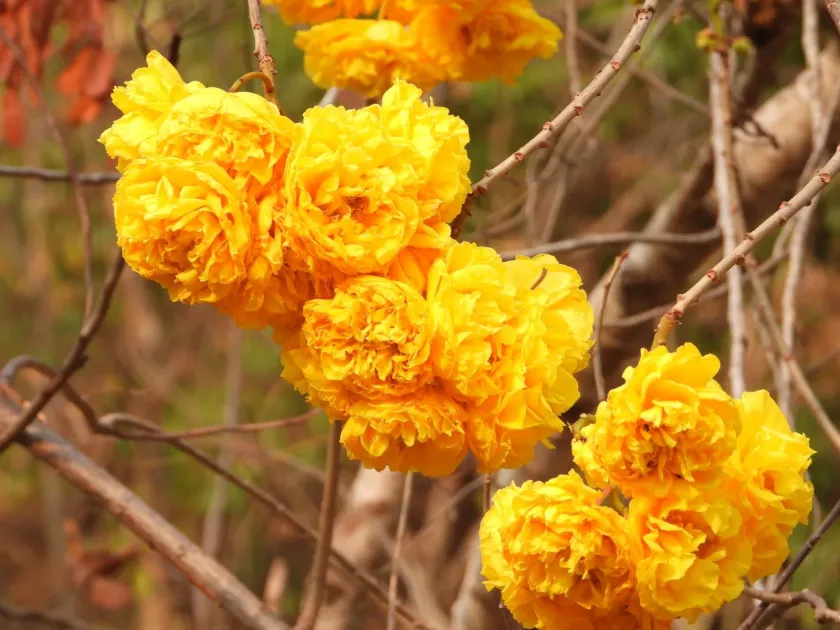
Description
Growing requirements
Cochlospermum religiosum is a deciduous tree species within the Bixaceae family, native to the dry, rocky forests of India, Myanmar, and Sri Lanka.
The plant thrives in well-drained, sandy soils and is remarkably adapted to arid environments, making it a suitable candidate for reforestation in degraded tropical lands.
Climatic requirements involve distinct seasonal changes, as the tree relies on a prolonged dry season to shed leaves and enter a phase of prolific flowering.
Agricultural management is relatively low-input; however, initial establishment requires careful monitoring to ensure proper root development and protection from competing vegetation.
Economic utility is centered around the extraction of gum, known as 'Katira' or 'Gum Kattira', widely used in the pharmaceutical, cosmetic, and food processing industries.
Main diseases and pests
Root rot represents the primary agricultural threat, typically triggered by soil waterlogging or poor drainage during the peak of the monsoon season.
Insect pests, including various larvae that target leaves and buds, can significantly stress young trees, slowing their growth rate.
Mechanical damage from improper tapping techniques for gum extraction often creates entry points for secondary fungal infections and wood-boring insects.
Preventative strategies focus on maintaining optimal plant spacing to ensure airflow and reducing humidity levels around the root zones during wet periods.
Integrated pest management protocols, including manual scouting and the application of organic botanical extracts, are recommended to maintain tree health.