
Cochliostema velutinum
Cochliostema velutinum
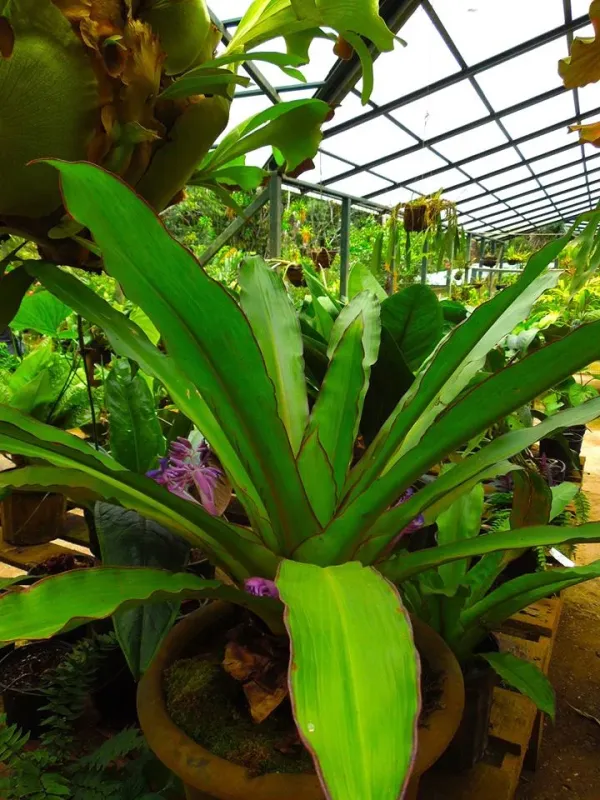
Description
Growing requirements
Cochliostema velutinum is a unique member of the Commelinaceae family. This species originates from the rainforests of Ecuador, where it typically thrives in the understory of dense tropical vegetation.
The plant requires a warm environment with constant temperatures ranging from 20 to 26 degrees Celsius. It does not tolerate cold drafts or sudden thermal shocks, which can cause significant tissue damage.
High relative humidity is essential for the healthy development of its velvety leaves. Ideally, humidity levels should remain between 70 and 80 percent throughout the growing season.
The growing medium must mimic an epiphytic environment: it should be light, airy, and free-draining. A mix of bark, perlite, and high-quality peat moss is recommended for optimal aeration of the roots.
Agronomic practices focus on maintaining consistent soil moisture without waterlogging. Frequent but light irrigation, combined with high-quality water, ensures the plant remains vibrant and vigorous.
Main diseases and pests
Spider mites represent a major threat, particularly in indoor environments where air circulation is poor and humidity levels drop below acceptable thresholds.
Mealybugs are known to colonize the base of the leaves and the plant's core, causing stunted growth and leaving behind sticky residues that invite secondary fungal infections.
Root rot is the most common physiological disorder caused by improper irrigation. It is usually the result of excessive moisture trapped within a poorly drained substrate.
Fungal leaf spots can occur when water is allowed to sit stagnant on the foliage. Proper ventilation is vital to prevent these pathogens from spreading across the plant.
Effective management includes integrated pest control strategies, careful monitoring of leaf surfaces, and the use of preventative fungicides to ensure the plant's long-term health.