
Lepidosperma gladiatum
Lepidosperma gladiatum
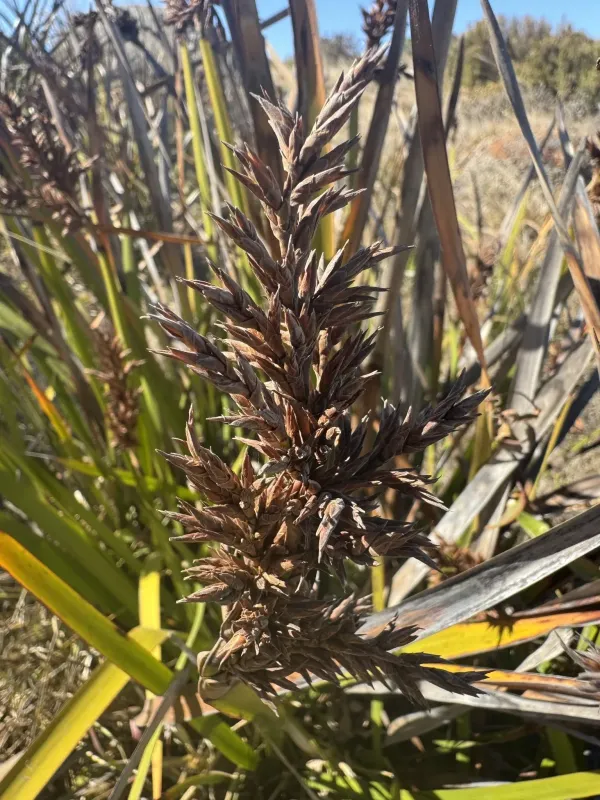
Description
Growing requirements
Lepidosperma gladiatum is a robust, rhizomatous perennial belonging to the Cyperaceae family. It is widely recognized for its rigid, sword-shaped leaves that form dense clumps, contributing significantly to the stability of sandy landscapes.
Native to coastal regions of Australia, this species is uniquely adapted to harsh maritime environments. It thrives in nutrient-poor sandy soils where salt spray and constant wind would inhibit the growth of most other plant species.
The plant requires full sun exposure and well-drained soil conditions. While it exhibits remarkable drought tolerance once established, it benefits from moderate moisture levels during its initial growth phase.
Lepidosperma gladiatum plays a vital role in coastal management. Its extensive root system acts as a natural anchor, binding loose sand particles together and effectively mitigating coastal erosion in sensitive ecological zones.
Beyond its ecological importance, the plant is valued for its hardiness. It does not require specialized fertilization or intensive tillage, making it an excellent choice for low-maintenance landscaping and land restoration projects.
Main diseases and pests
Due to the high silica content in its foliage, Lepidosperma gladiatum is naturally resistant to most common agricultural pests. Its physical structure makes it difficult for insects to penetrate the leaf tissue.
The most significant threat to the health of this species is root rot, triggered by waterlogged conditions. Ensuring proper drainage is essential for the longevity of the plant in any planting scheme.
Fungal infections can occur in crowded or humid environments where air circulation is limited. Maintaining spacing between plants helps prevent the development and spread of pathogenic fungi.
While rare, infestations by sucking insects can occur in stressed populations. These are typically managed through cultural practices rather than the application of heavy chemical treatments.
Human interference, particularly soil compaction and trampling, poses a direct threat to the integrity of the rhizomes. Preventing foot traffic in protected areas is critical for maintaining the health of the species.