
Cnidium officinale
Cnidium officinale (Makino)
Description
Sowing dates
Sowing of Cnidium officinale is typically performed in early spring as soon as soil temperatures reach 5-8 degrees Celsius. Autumn sowing is also a viable option, utilizing winter stratification to improve germination rates in the following spring.
For industrial production, seeds are planted in rows spaced 45-60 centimeters apart to allow for proper plant development. Seeds should be sown at a shallow depth of 1-2 centimeters to ensure consistent moisture levels for rapid emergence.
Preparation of the seedbed is critical, involving calibration and treatment with growth stimulants to increase vigor. High-quality seeds are essential for achieving a uniform stand, which simplifies subsequent mechanical care and ensures even maturity.
Plant density must be managed carefully to avoid excessive crowding. Thinning the seedlings during the 3-4 leaf stage is a recommended practice to provide sufficient space for root development and prevent the spread of foliar diseases.
In regions with short growing seasons, tray-grown seedlings can be used, transplanting them into the field at 40-50 days old. This strategy extends the effective growing period and protects young plants from early-season weed competition.
Growing requirements
As a member of the Apiaceae family, Cnidium officinale thrives in fertile, well-drained loamy soils. The ideal soil pH ranges from neutral to slightly acidic, providing a balanced nutrient environment for optimal growth.
The plant requires consistent moisture but is highly sensitive to waterlogged conditions, which can lead to root rot. Selecting sites with excellent drainage and adequate solar exposure is crucial for the successful cultivation of this medicinal herb.
Wind protection is beneficial as it reduces transpiration stress and helps maintain consistent soil moisture levels during the peak of summer. The plant performs best in regions with temperate climates and sufficient precipitation during the vegetative cycle.
Agronomic management focuses on regular inter-row cultivation to control weeds and preserve moisture. Incorporating well-decomposed organic matter during soil preparation enhances soil structure and supplies essential micro-nutrients.
Balanced fertilization with an emphasis on potassium and phosphorus supports root strength and resilience. Avoiding excessive nitrogen is vital, as it can cause rapid vegetative growth at the expense of the root system's medicinal quality.
Yield
The yield of Cnidium officinale depends on cultivation duration, with the best quality roots typically harvested in the second or third year. With intensive management, yields of 15 to 20 quintals per hectare can be achieved.
Foliar feeding with micro-elements during the peak vegetative stage can stimulate nutrient translocation to the roots. This process improves the accumulation of active compounds and significantly increases the final root mass.
Consistency in irrigation is a key factor in achieving high-quality yields. Drought stress during the development phase can result in fibrous, hard roots, which are less desirable for pharmaceutical applications and harder to process.
Mechanization of the harvest process enhances efficiency and reduces overall labor costs. Modern harvesters designed for root crops are highly effective at minimizing mechanical damage to the harvested product during extraction.
Optimizing plant population density allows farmers to achieve the best balance between individual root weight and overall field productivity. Careful management of these factors is essential for sustained commercial viability.
Main diseases and pests
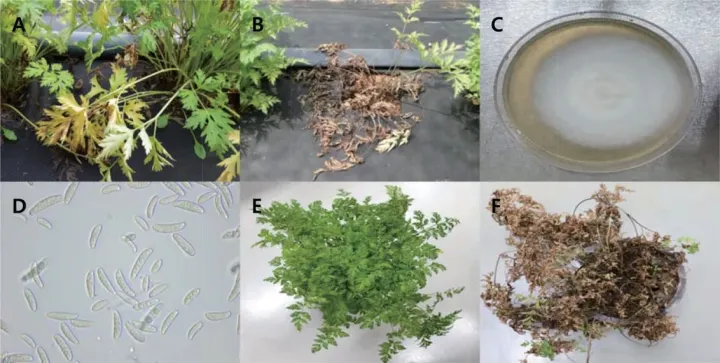
Common threats to Cnidium officinale include fungal diseases such as powdery mildew and Septoria leaf spot. These pathogens thrive in humid, stagnant air conditions and can significantly reduce the photosynthetic capacity of the plants.
Soil-borne pests like wireworms pose a significant threat by damaging the roots and facilitating secondary infections. Crop rotation and pre-planting soil treatment are the primary methods for mitigating these risks.
Aphids and other sucking insects can cause damage during the early growth stages by draining sap from young leaves. Timely scouting and the use of targeted biological or chemical control agents are necessary to prevent infestations.
Root rots are frequently associated with poor soil aeration and drainage. Preventing these issues involves avoiding low-lying areas and managing field drainage systems to ensure the health of the root system throughout the year.
Regular field monitoring is critical for the early detection of pests and diseases. By acting early, growers can significantly reduce the reliance on chemical inputs and protect the medicinal integrity of the crop.
Harvesting
Harvesting takes place in autumn once the vegetative growth has ceased and the leaves begin to yellow. This timing ensures that the maximum concentration of beneficial active compounds is stored within the roots.
Roots are extracted from the soil using root-digging equipment, ensuring a digging depth sufficient to avoid cutting or breaking the roots. Careful extraction is required to maintain the commercial value and aesthetic appearance of the product.
Post-harvest processing involves washing the roots under high-pressure water to remove soil and debris. Following cleaning, the roots are sorted to remove any damaged or substandard pieces that may impact overall quality.
Drying is a critical step, performed in controlled environments at temperatures not exceeding 40-45 degrees Celsius. Exceeding this limit leads to the degradation of essential oils and loss of the herb's therapeutic properties.
Final dried products should be stored in clean, breathable containers in a dry, dark, and well-ventilated warehouse. These conditions ensure long-term stability and preservation of the medicinal activity until processing.