
Cnicus munitus
Cnicus munitus
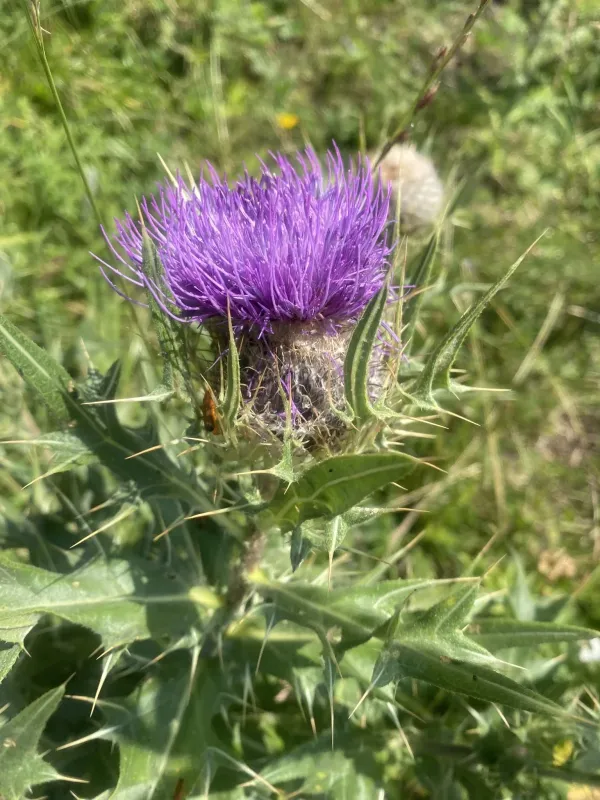
Description
Sowing dates
Cnicus munitus is best sown in early spring once the threat of frost has passed, ensuring the soil has warmed sufficiently for rapid seed germination.
Direct seeding in rows is common, with a recommended depth of approximately 1 to 2 centimeters to provide adequate moisture contact without inhibiting emergence.
Spacing between plants should be carefully managed to ensure optimal airflow, typically requiring a distance of 50 to 60 centimeters between individual crops.
For areas with shorter growing seasons, starting seeds in trays inside greenhouses can significantly improve establishment success before outdoor transplantation.
Regular monitoring of seedbeds is essential to maintain consistent soil moisture levels during the sensitive early stages of seedling development.
Growing requirements
This species thrives in full sun exposure, requiring at least 6 to 8 hours of direct light daily to maintain robust growth and structural integrity.
Well-draining, moderately fertile soil is ideal for Cnicus munitus, as it is highly sensitive to the waterlogged conditions that often lead to root decay.
The plant demonstrates significant tolerance to drought conditions, making it a suitable candidate for areas where water efficiency is a critical consideration.
Neutral pH levels between 6.5 and 7.5 are preferred to ensure optimal nutrient uptake from the soil throughout the entire growth cycle.
Periodic fertilization with balanced NPK fertilizers during the early vegetative phase can support vigorous development and higher total biomass yield.
Main diseases and pests
Aphids and various coleopteran pests are common threats that feed on the tender foliage and floral buds, potentially reducing total plant vigor.
Fungal pathogens such as powdery mildew can be problematic during periods of high humidity and restricted airflow, causing visible white patches on leaves.
Root rot, driven by stagnant water or poor drainage, represents the most significant threat to the survival of established plant populations.
Integrated pest management strategies, including the rotation of planting sites and the use of resistant varieties, are essential for successful production.
Careful sanitation of the growing field, including the removal of infected debris after the harvest season, is critical to minimize reinfection risks.
Harvesting
Harvesting is typically timed to coincide with the peak flowering period, which is when the plant displays the highest concentration of phytochemicals.
The stems should be harvested using sharp, clean tools to ensure precise cuts and minimize mechanical stress on the remaining parts of the plant.
Post-harvest, the plant material must be dried efficiently at temperatures below 45 degrees Celsius to prevent the loss of volatile essential compounds.
Proper curing involves placing the harvested biomass in thin, ventilated layers to ensure even drying throughout the bulk of the collected plant material.
Final storage requires cool, dark conditions to preserve the efficacy and shelf-life of the dried product before it is distributed for commercial use.